Artforms
The Traditions
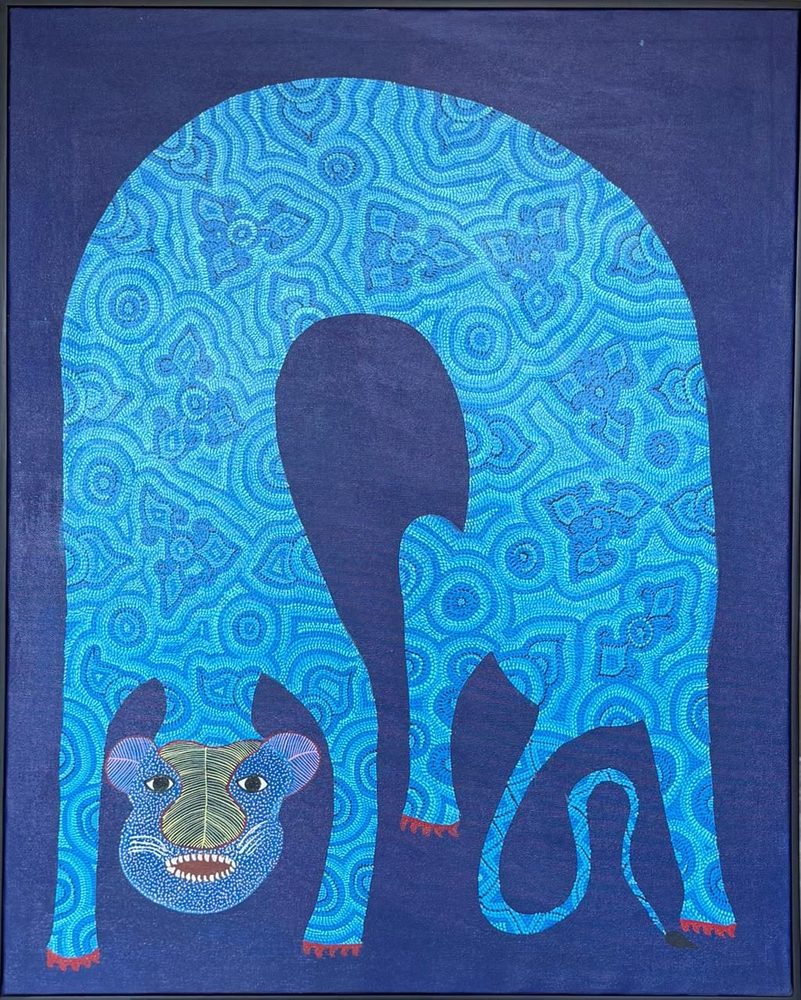
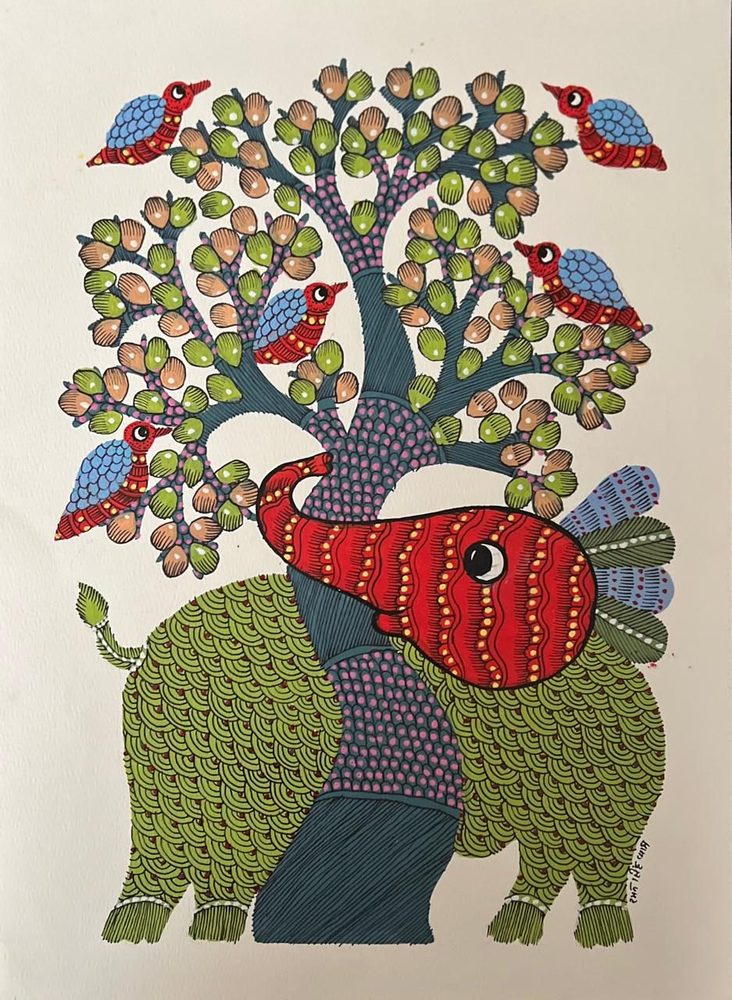
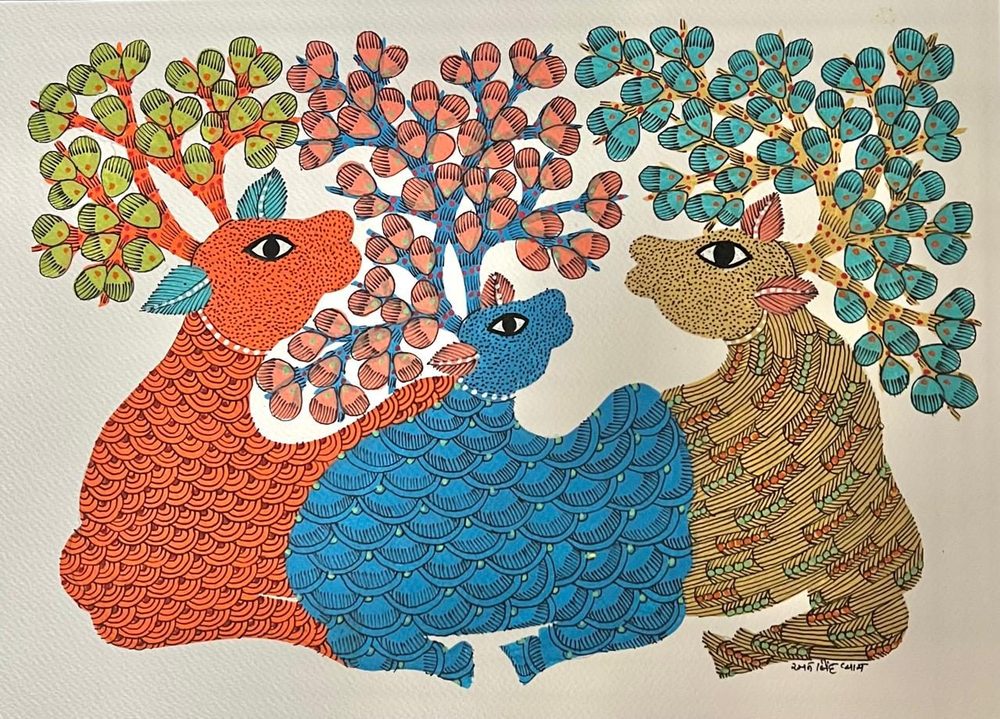
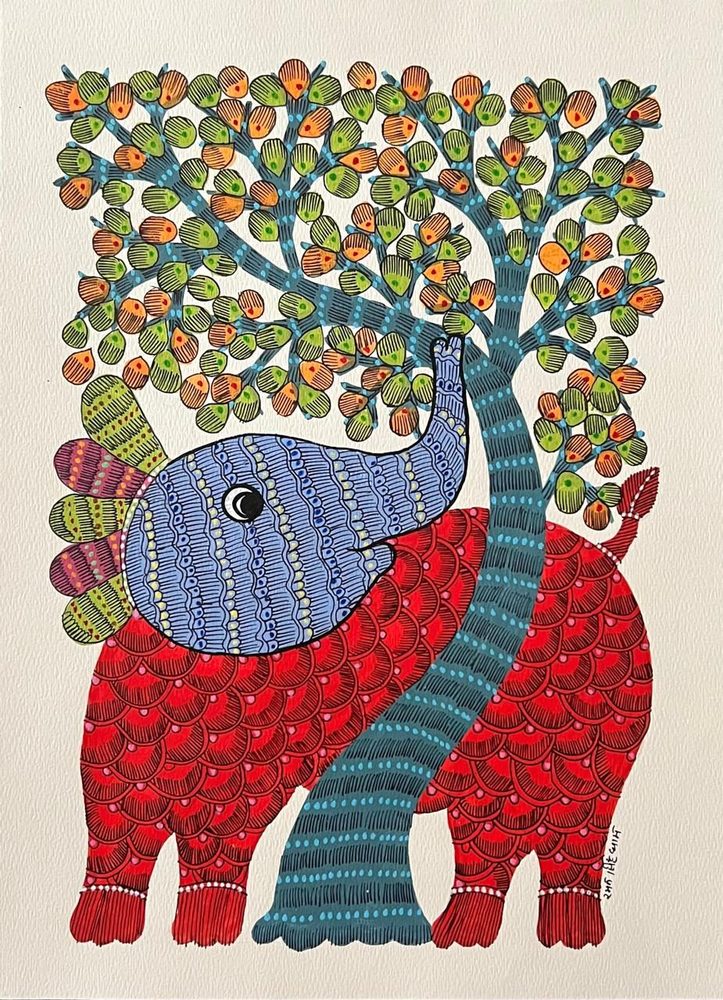
Artforms
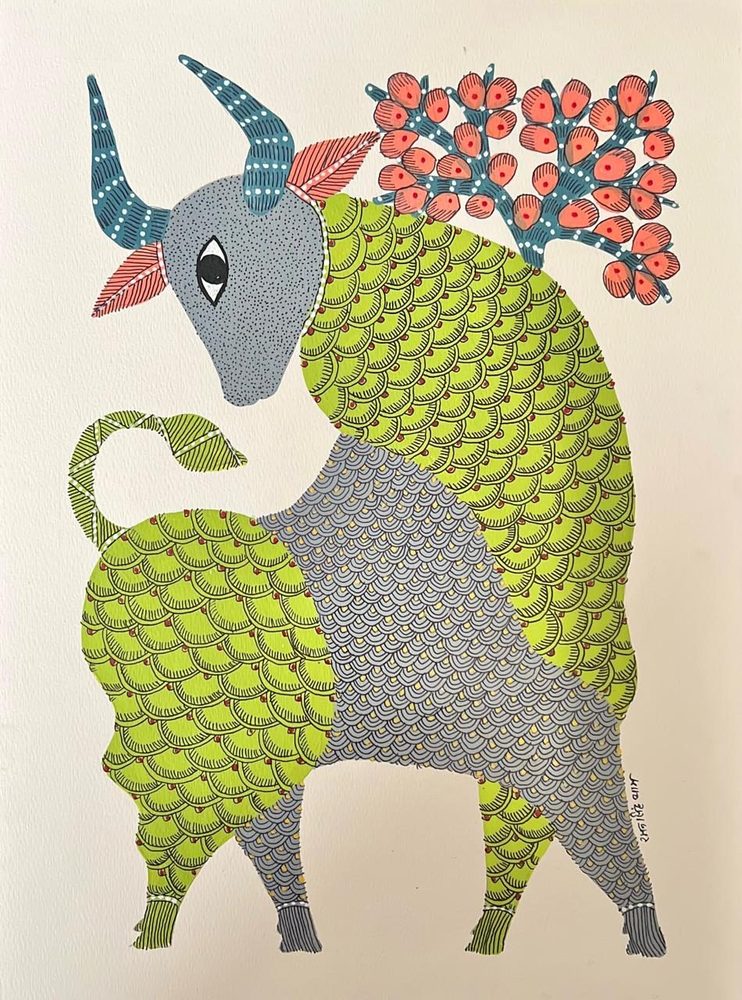
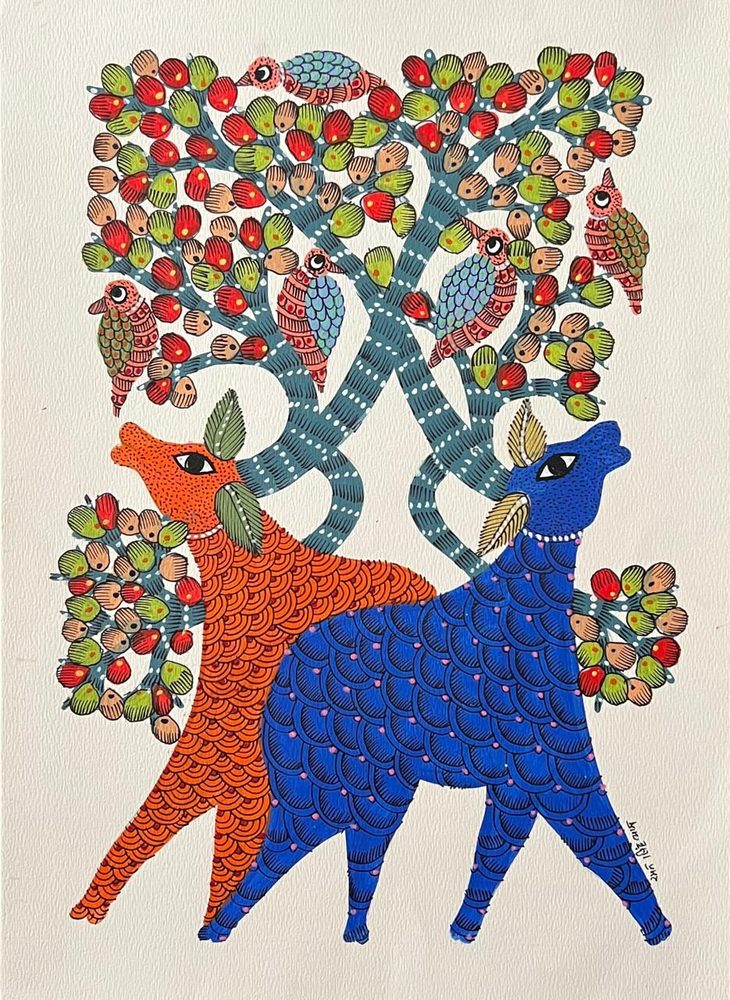
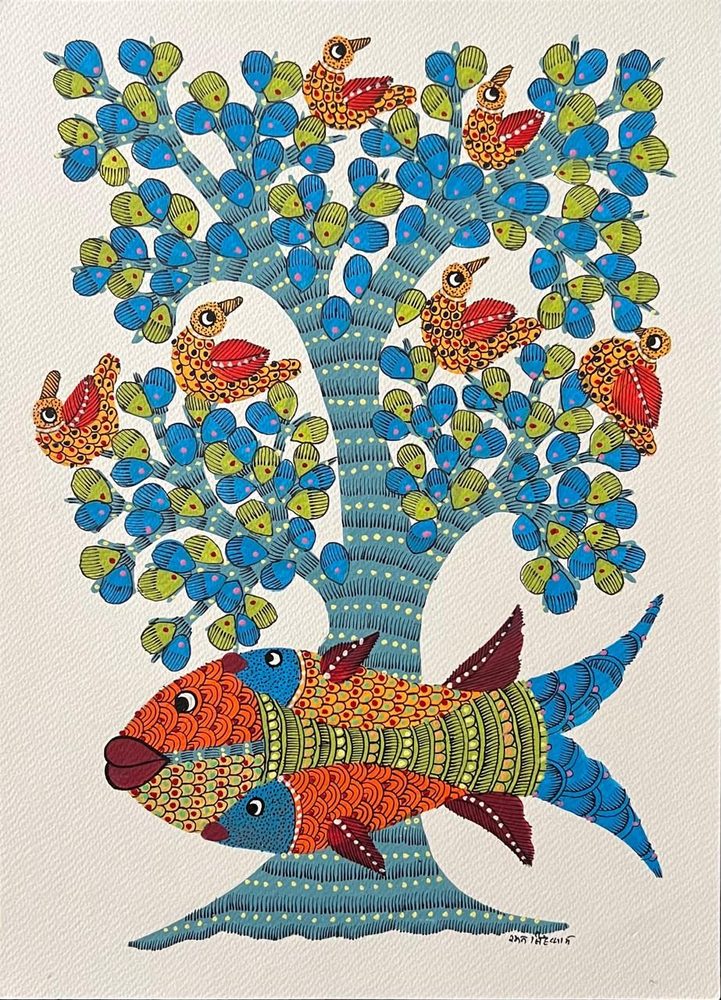
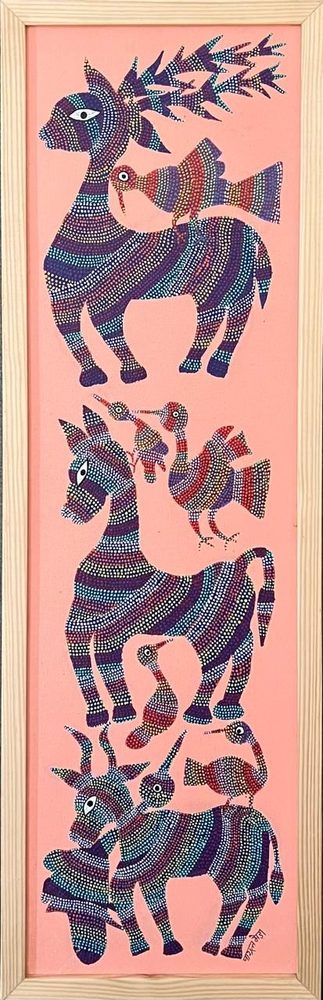
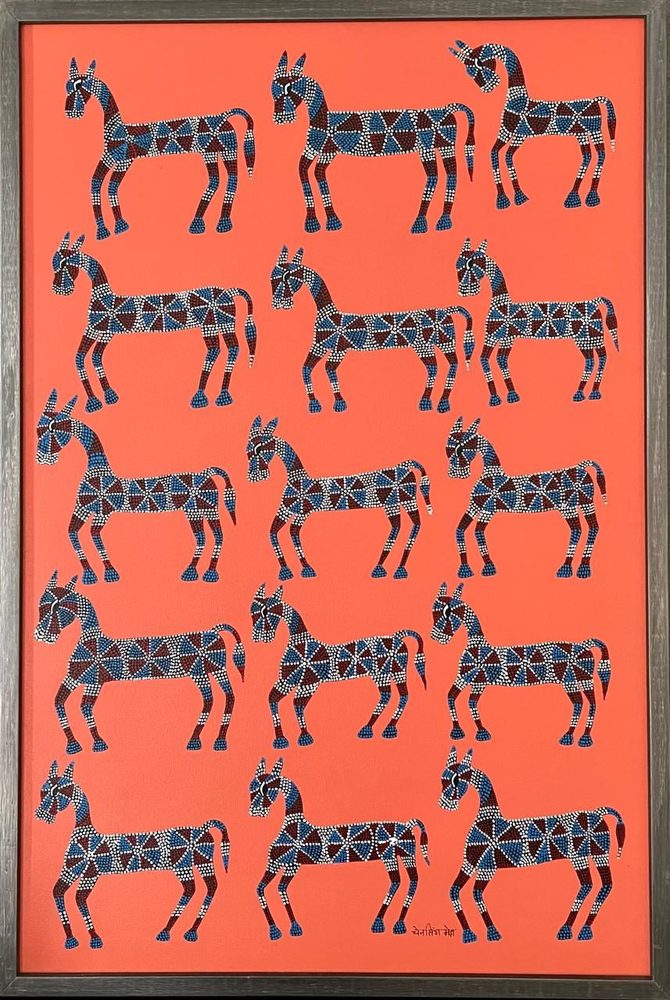
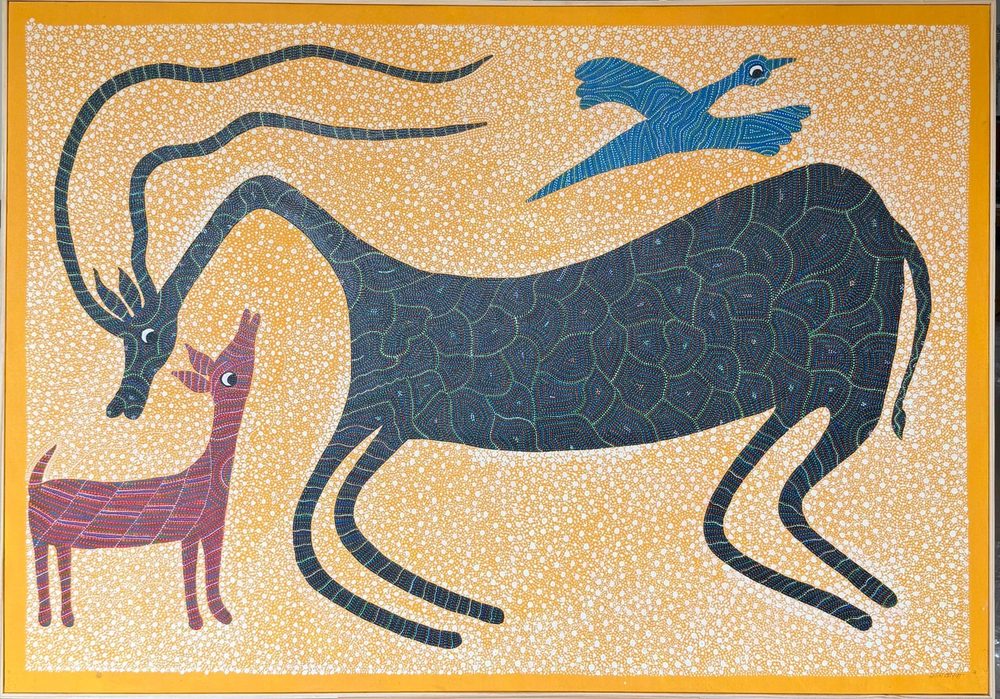
Forest narratives in dots & line
The painting tradition of the Gond community of Madhya Pradesh — from ritual wall patterns to canvases collected worldwide since the 1980s.
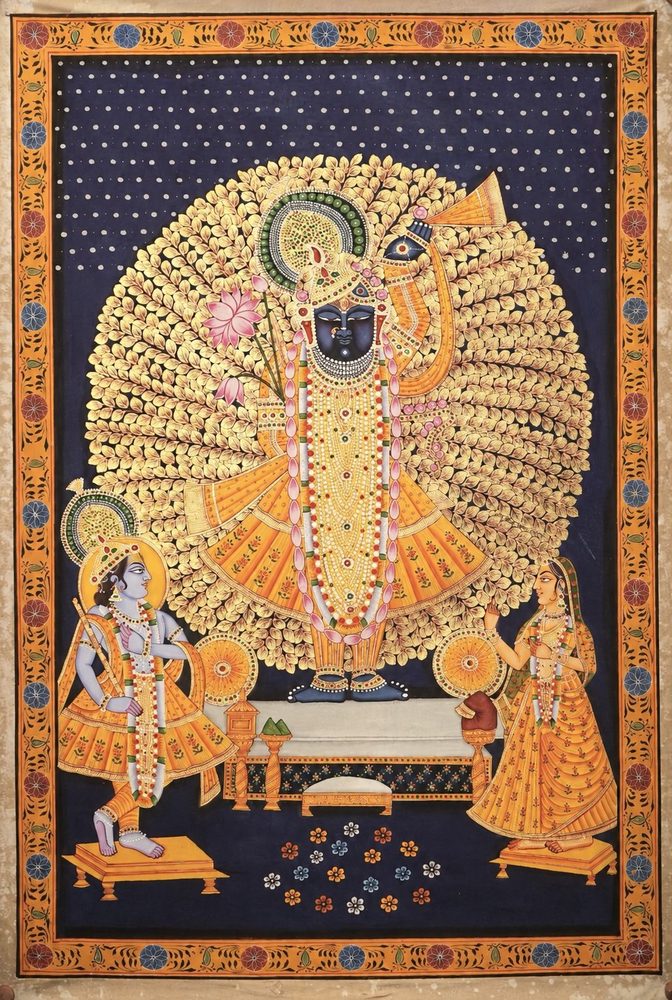
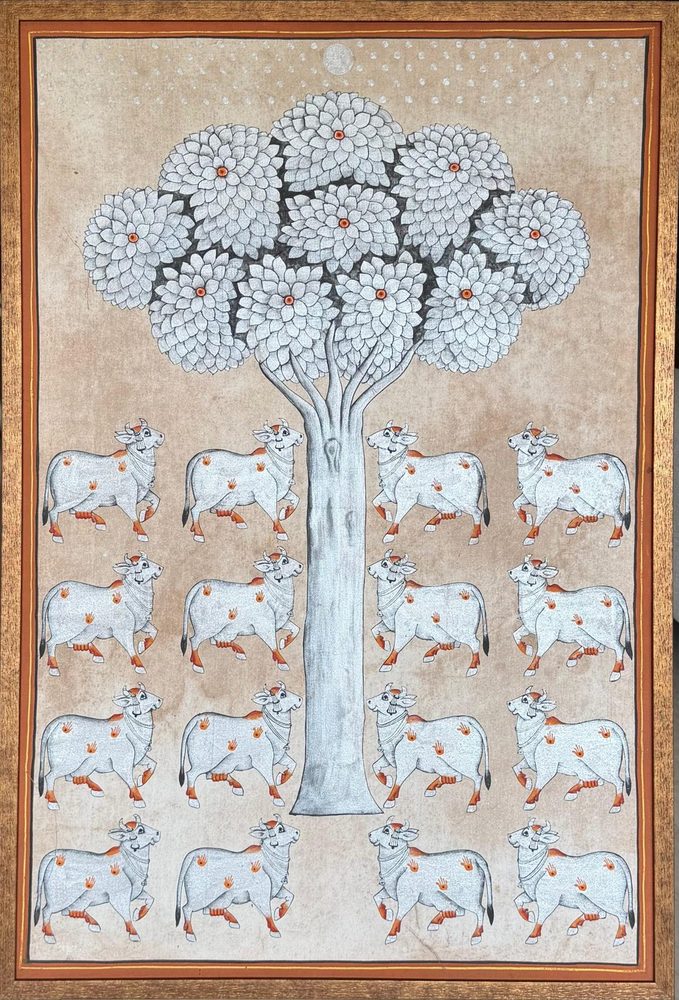
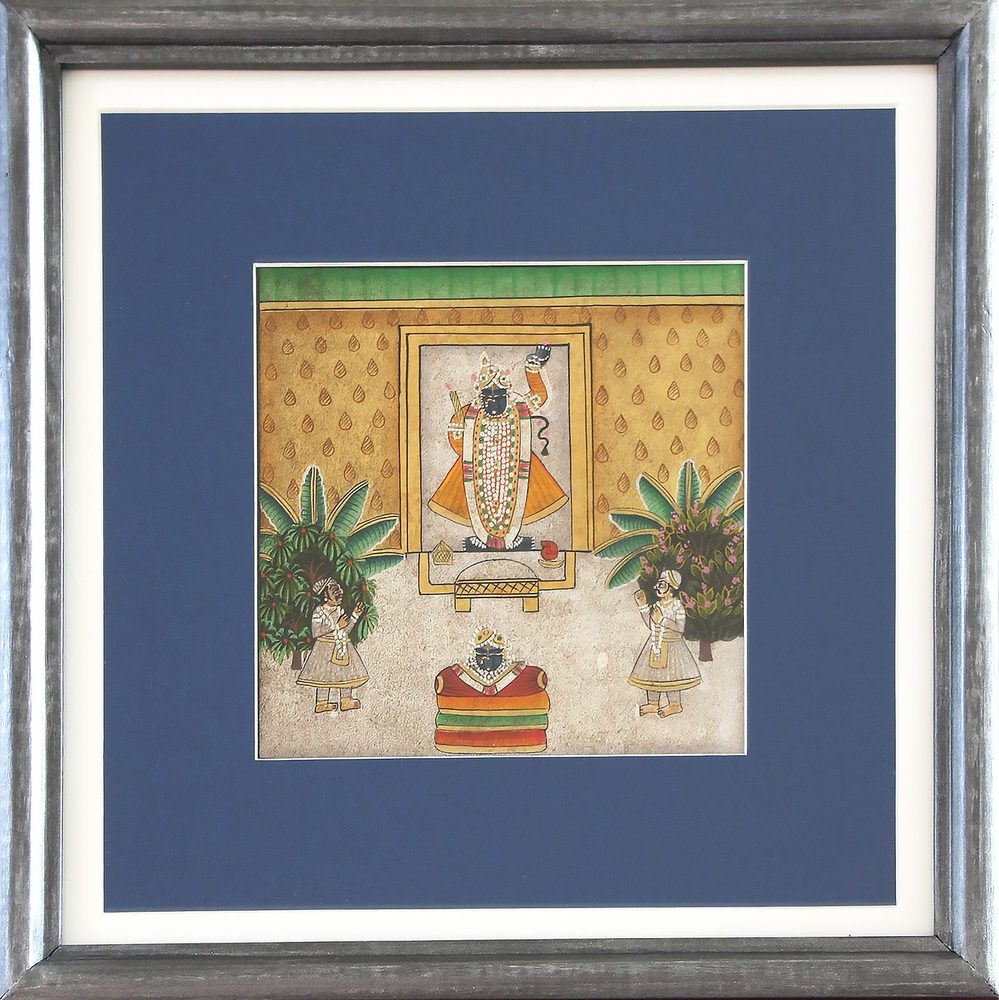
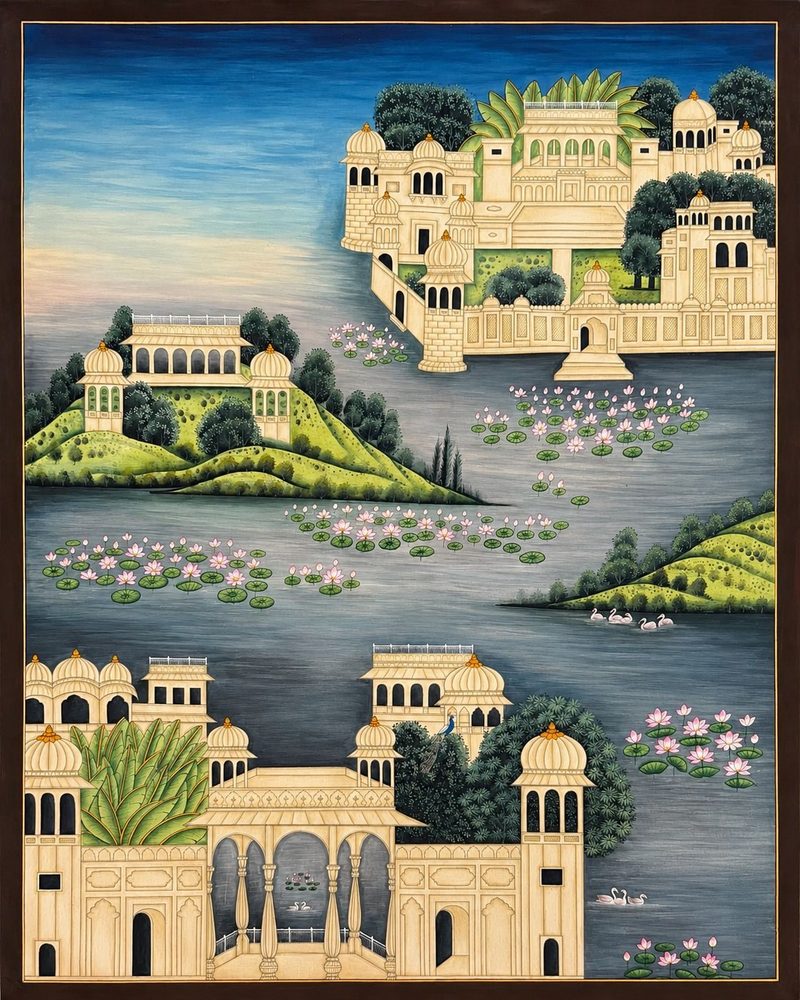
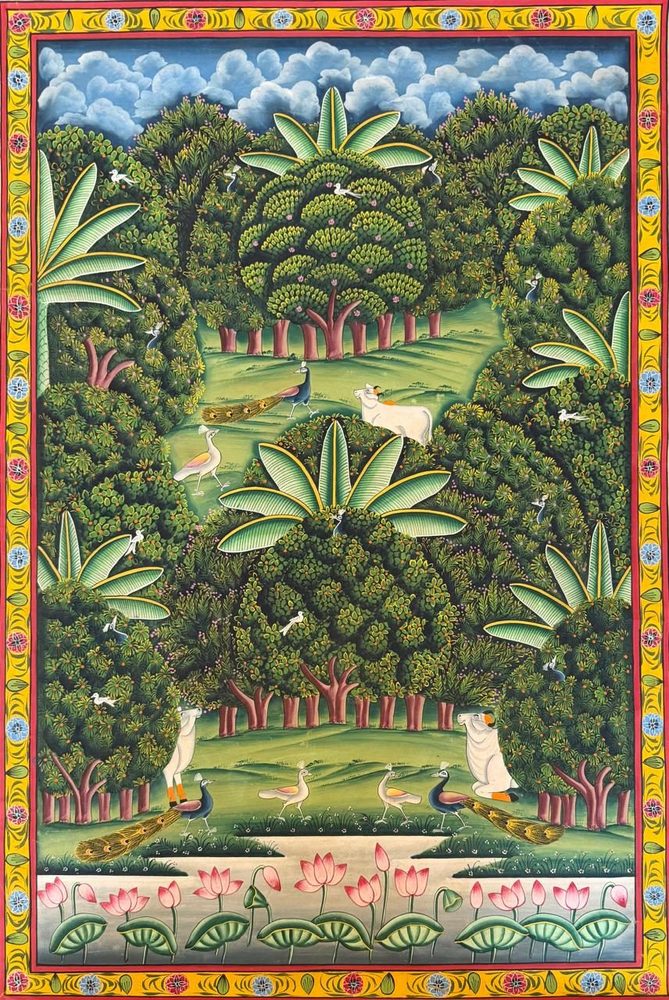
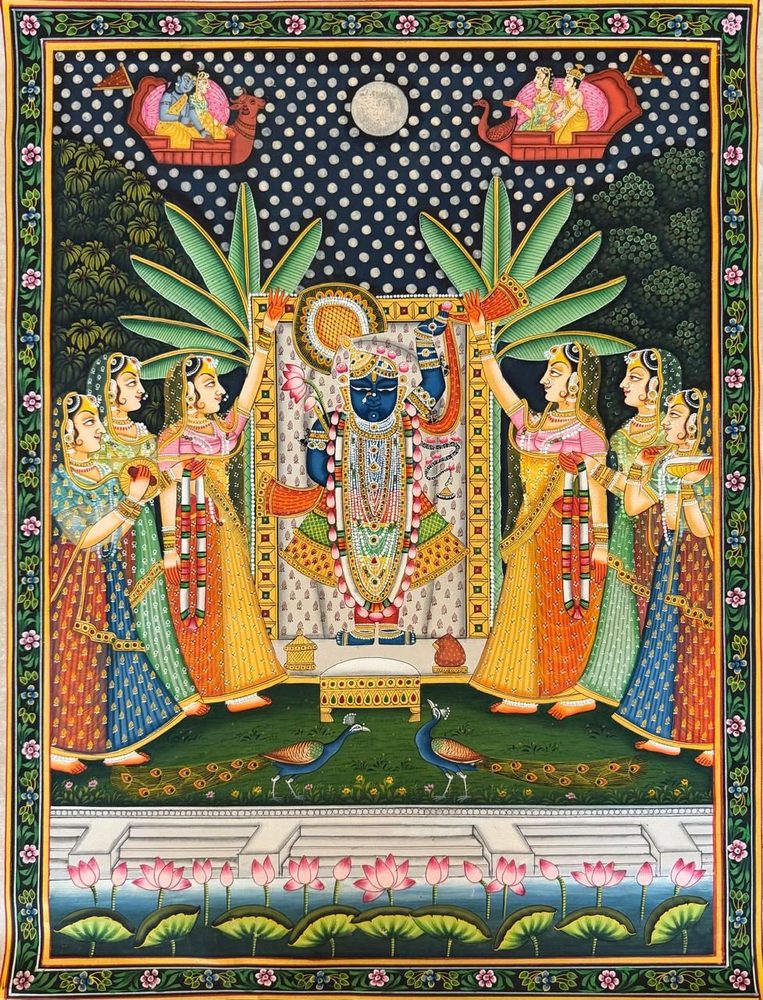
Devotional cloth painting
Richly detailed devotional paintings from Nathdwara, depicting Shrinathji, sacred rituals, and the changing imagery through vibrant imagery.
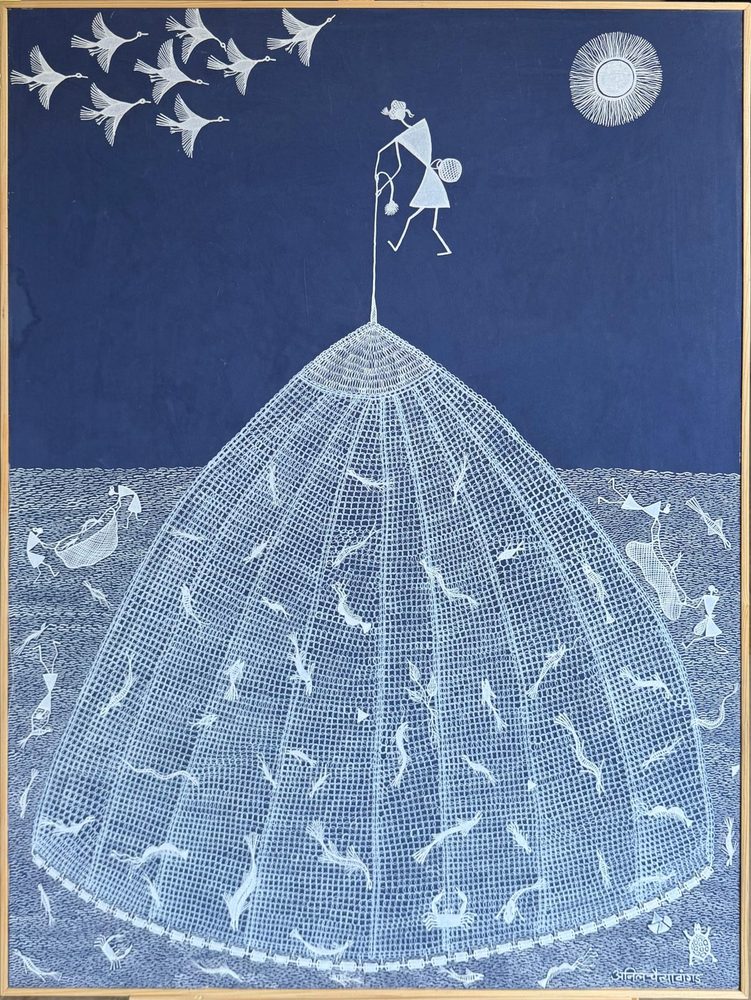
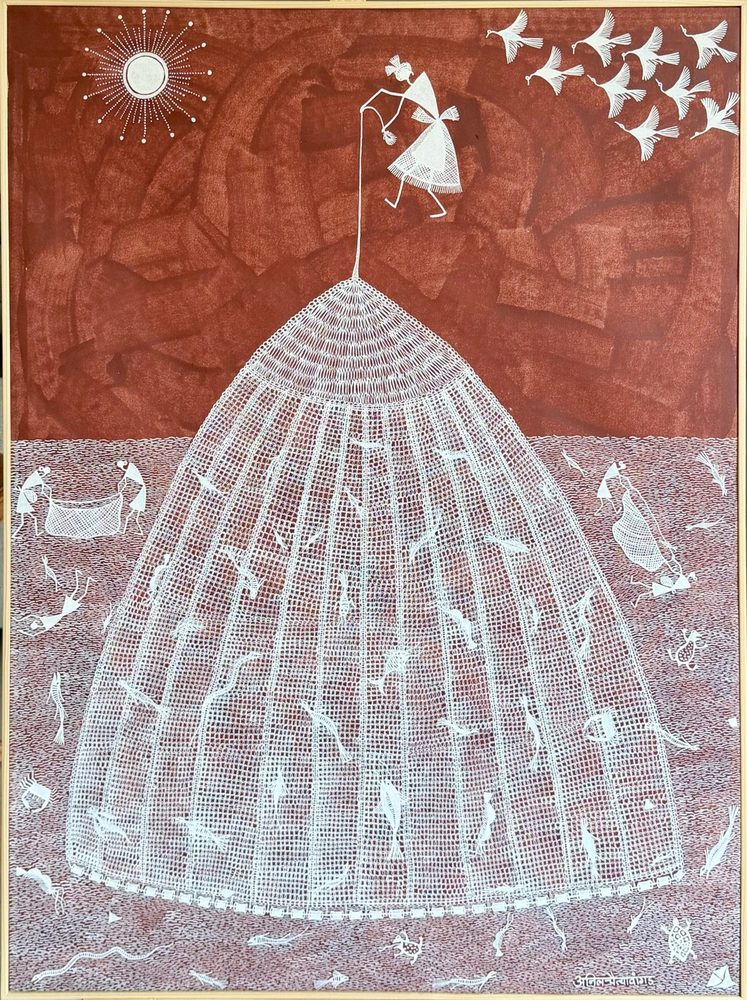
Circle, triangle & line
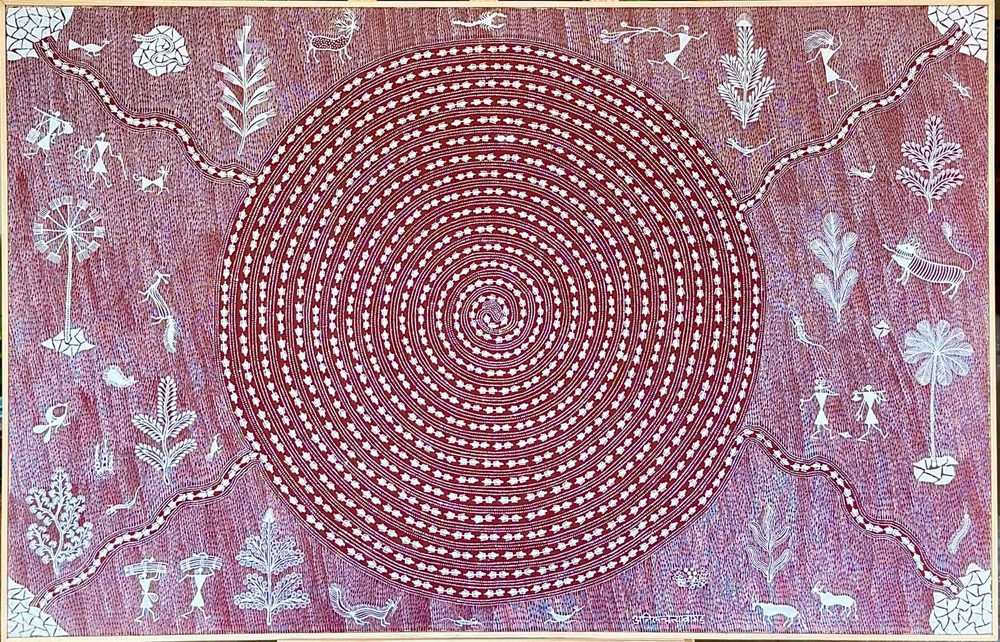
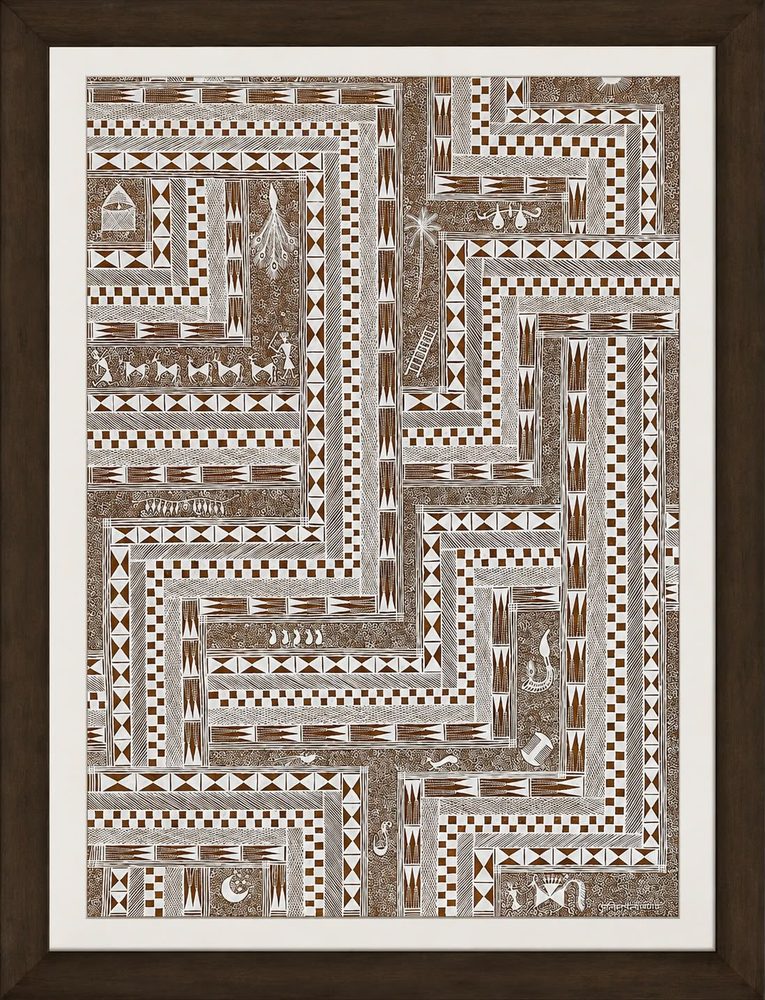
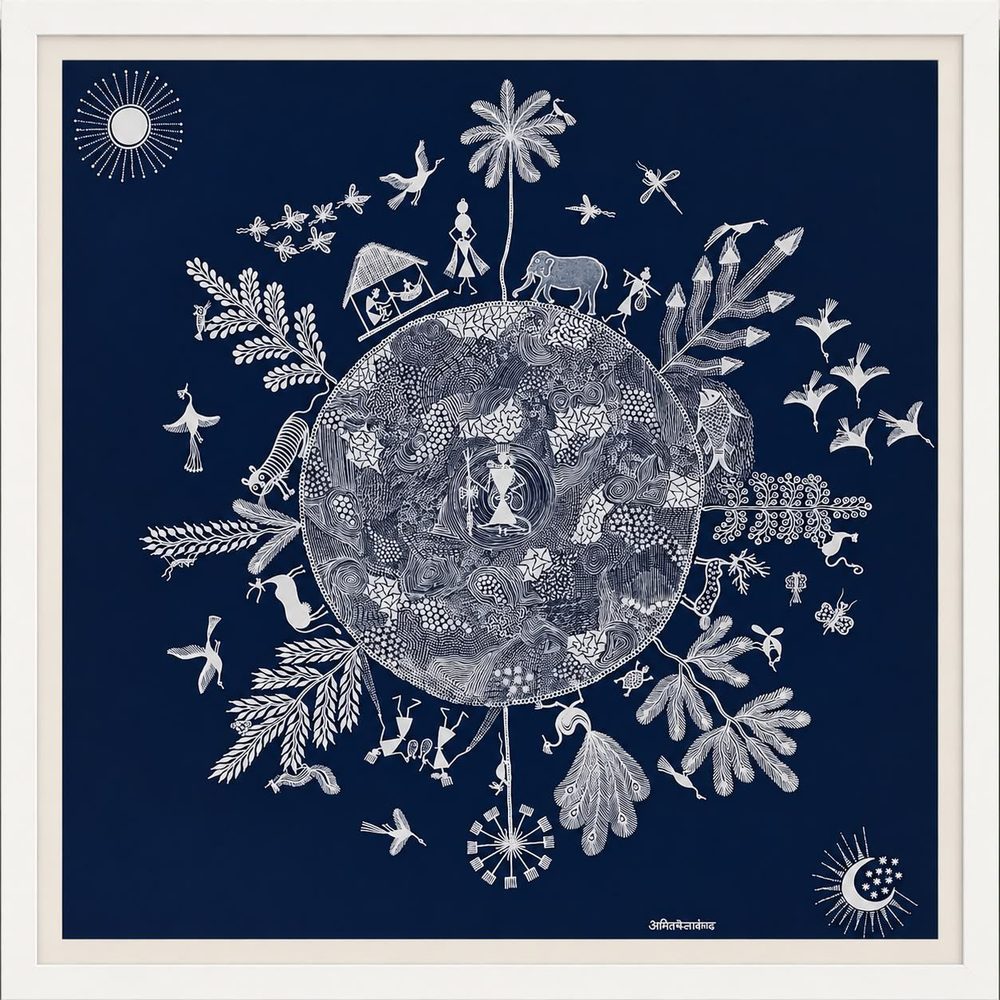
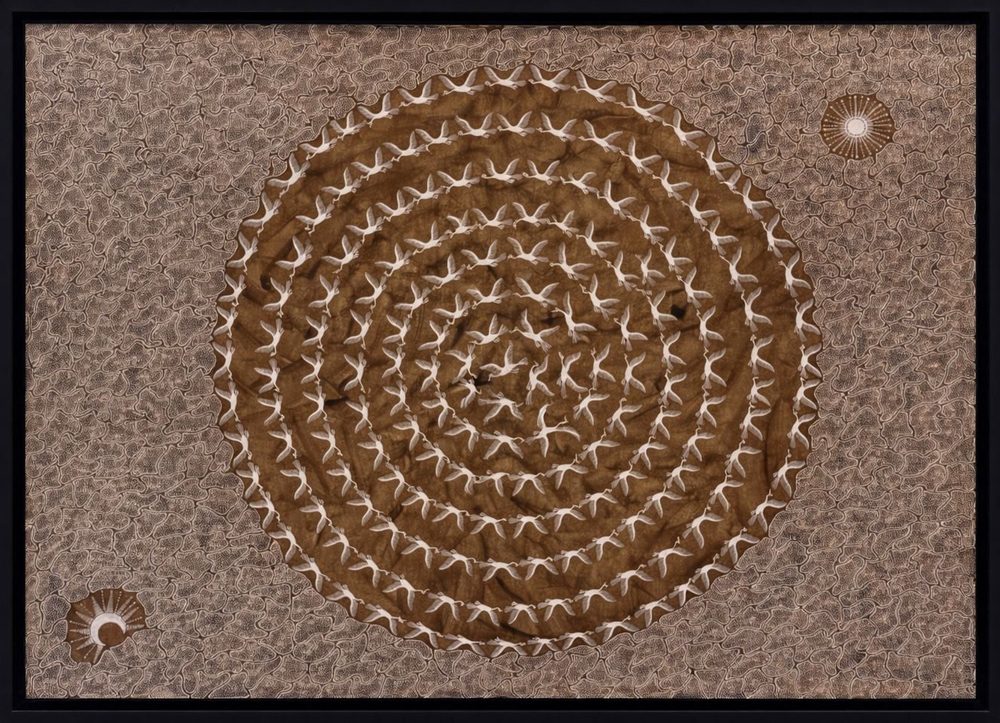
A distinctive painting tradition of the Warli community of Maharashtra, where simple white forms come together to tell stories of everyday life, nature and community.
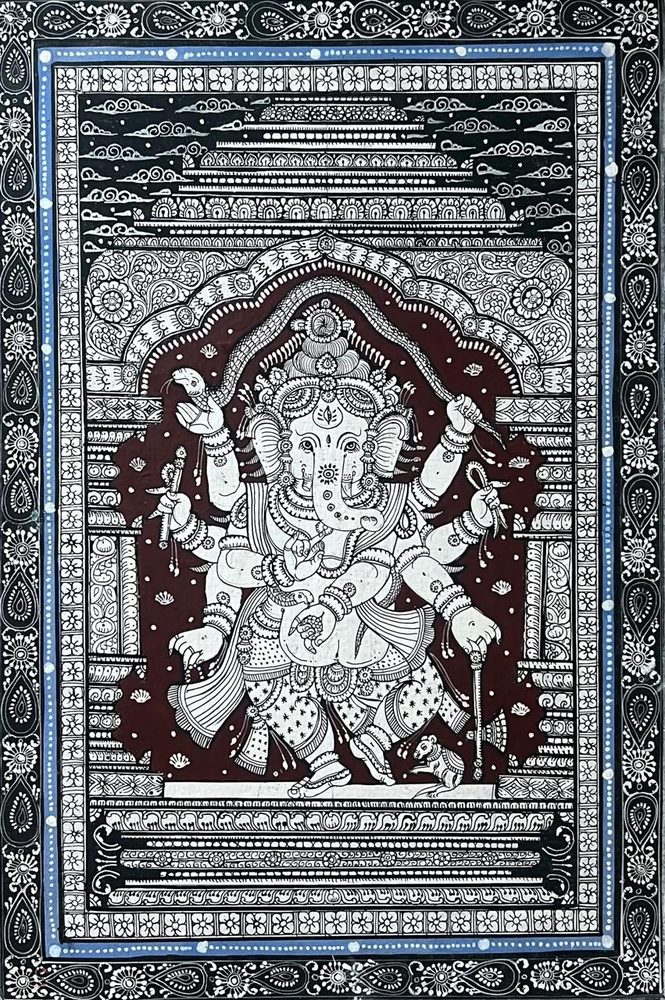
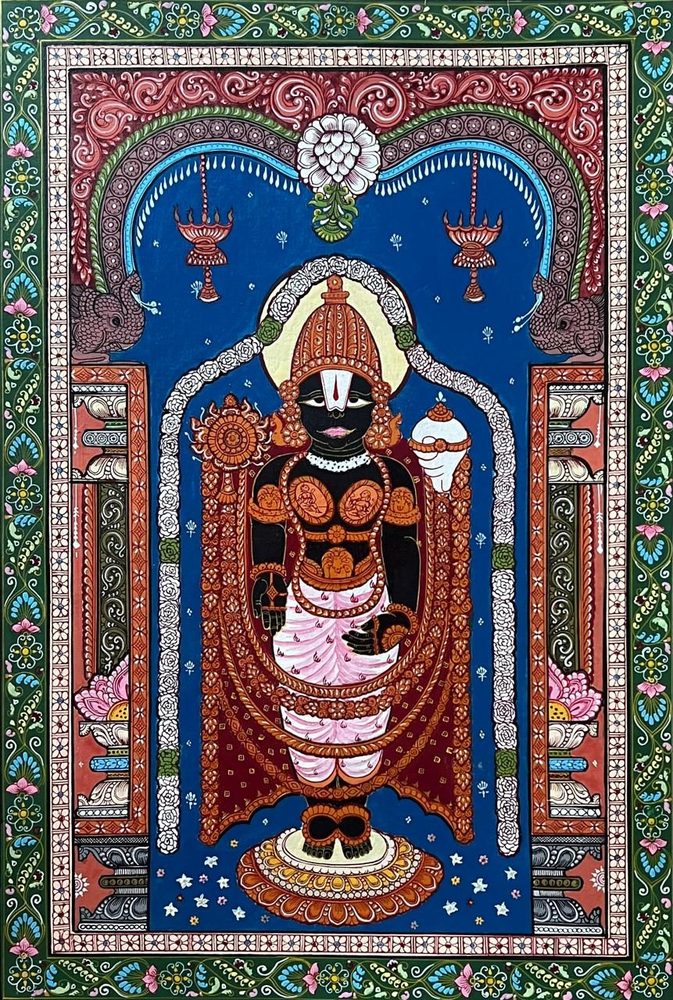
Ancient painting on cloth
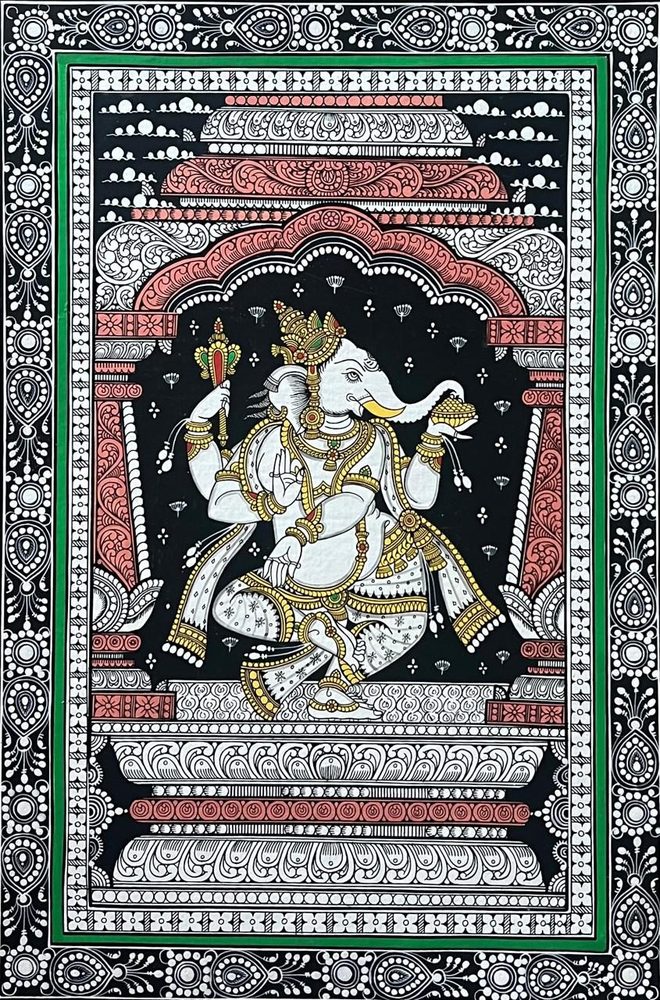
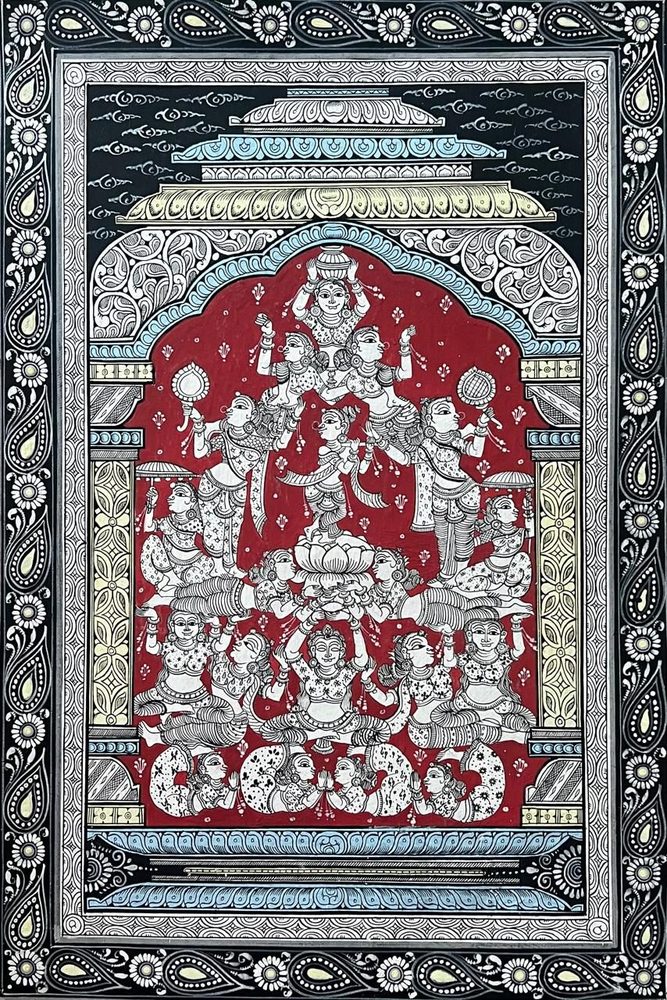
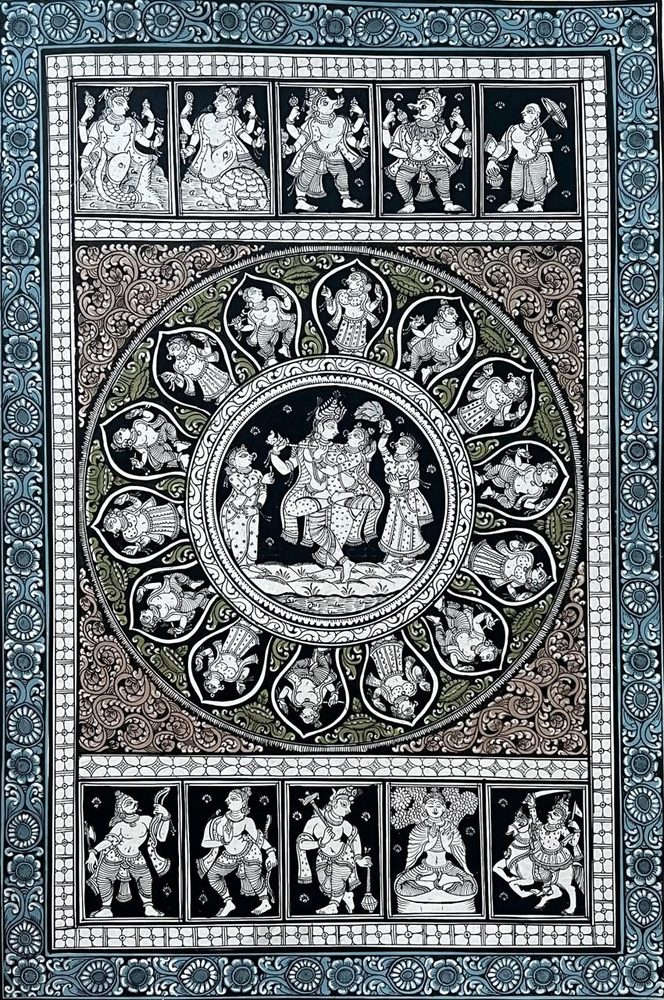
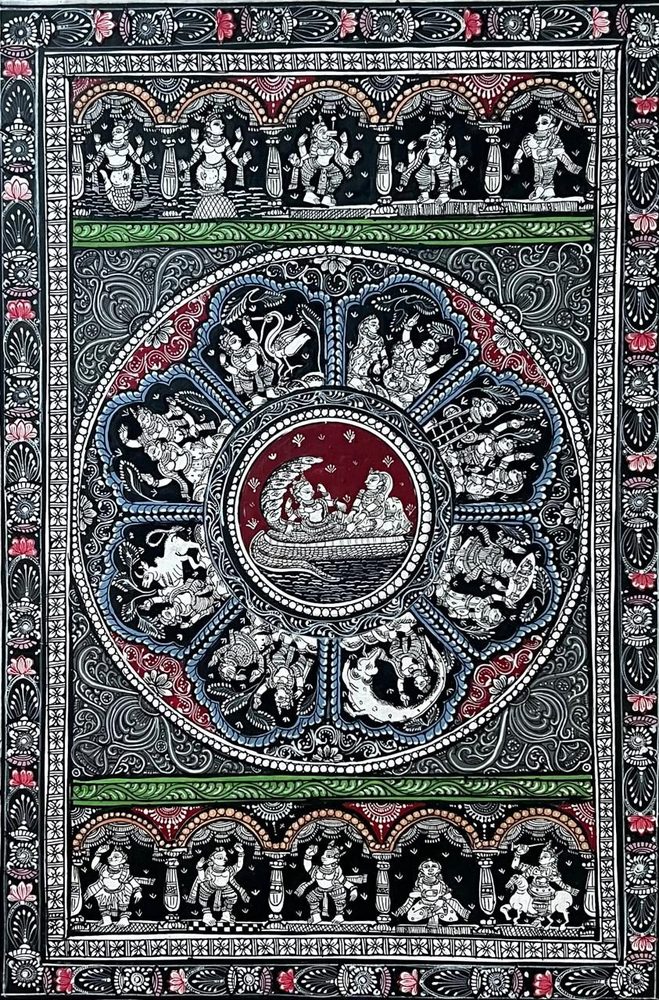
A centuries-old cloth-painting tradition from Odisha, where mythology unfolds through intricate line and colour.
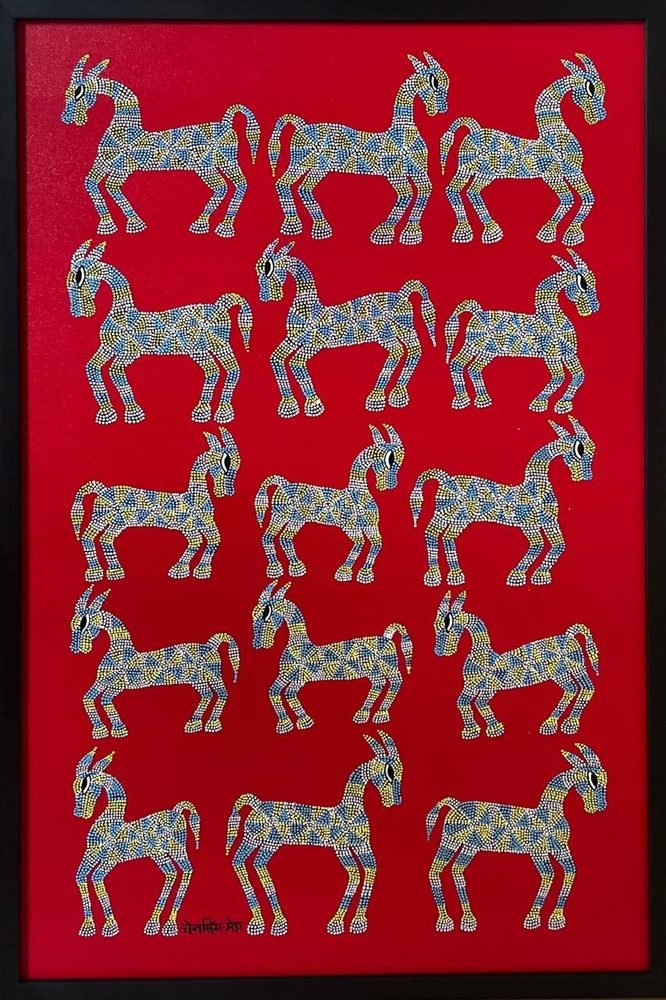
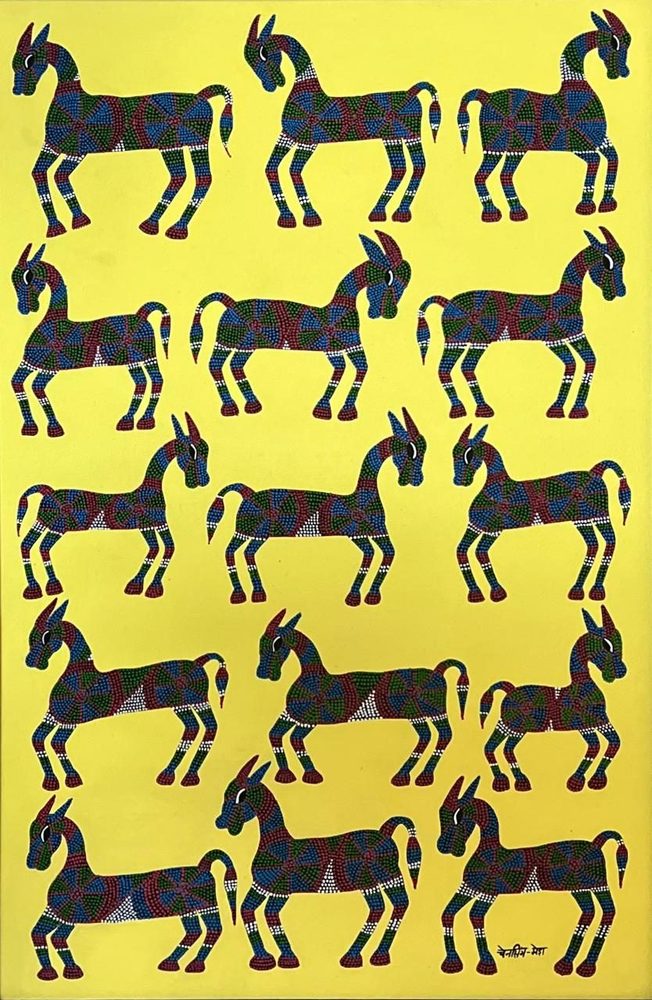
Stories told in dots
Painted by the Bhil communities of Central and Western India, in dotwork descended from the sacred Pithora wall tradition.
Every work we show is made entirely by hand, in a tradition that is still being practised. Here is how these paintings are built, who holds the knowledge, and how we work with the people who carry it.
Most of these traditions begin long before the brush. Cloth is treated and burnished, or paper prepared; colour is ground from stone, earth and plant. The image is then built up in order — the outline first, then flat fields of colour, and last the dotwork, infill or fine linework that gives each tradition its signature. A single large work can take weeks, and almost none of it can be hurried.
These are communal practices as much as individual ones, sustained by villages, workshops and family lineages. Technique passes from parent to child and from master to apprentice, which is why a form stays recognisably itself across generations while every hand working inside it stays distinct. What looks like a style is really an inheritance.
We buy directly from artists and workshops, visit them where they work, and agree terms openly. Provenance travels with the piece — who made it, where, and in which tradition — so a work arrives with its story intact rather than stripped away. Where an artist wants to be named and photographed, we present them properly.