All Artforms

Pichwai

Richly detailed devotional paintings from Nathdwara, depicting Shrinathji, sacred rituals, and the changing imagery through vibrant imagery.

Pichwai painting

An introduction

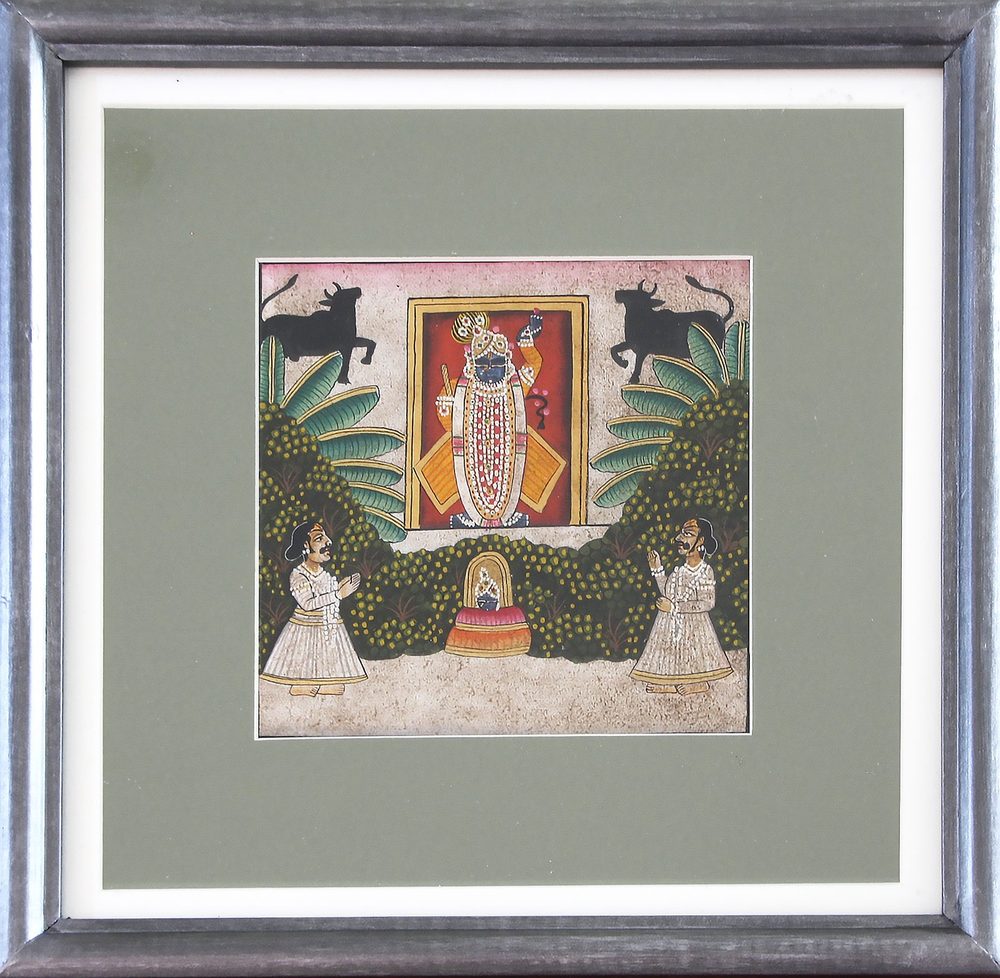
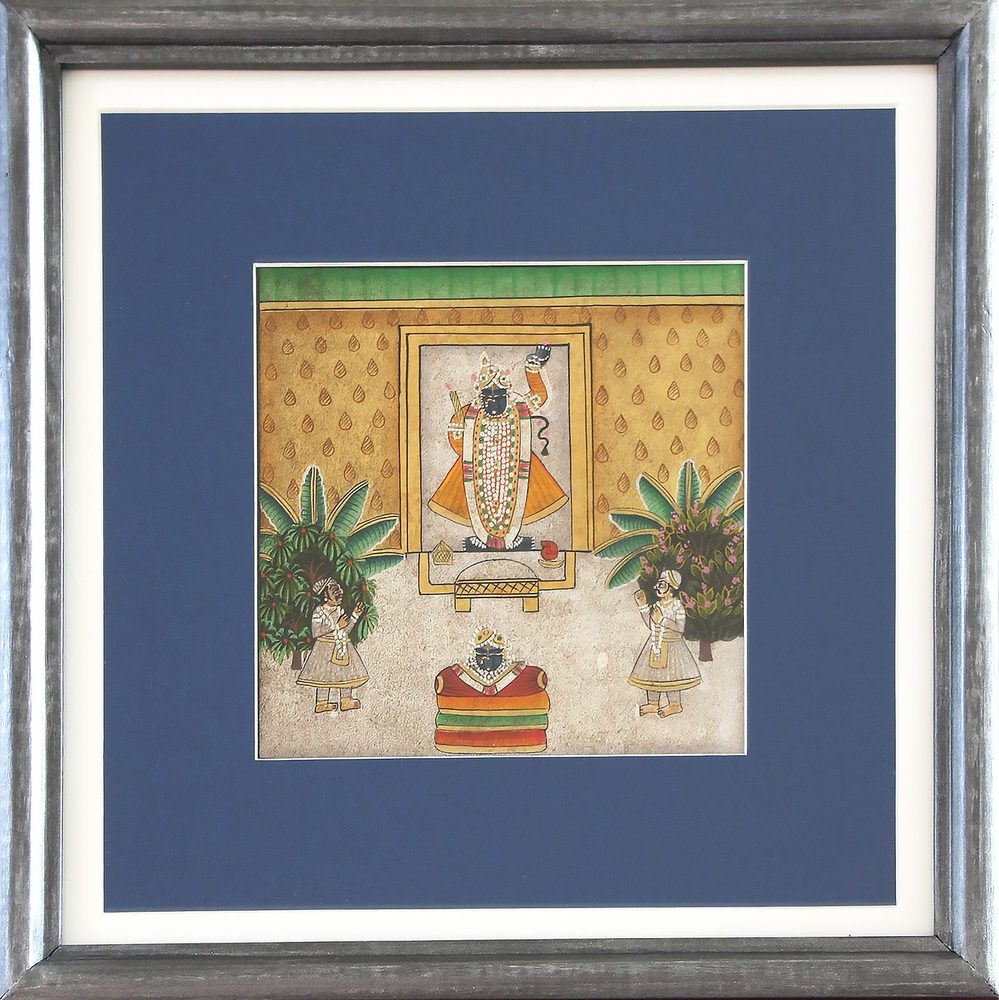
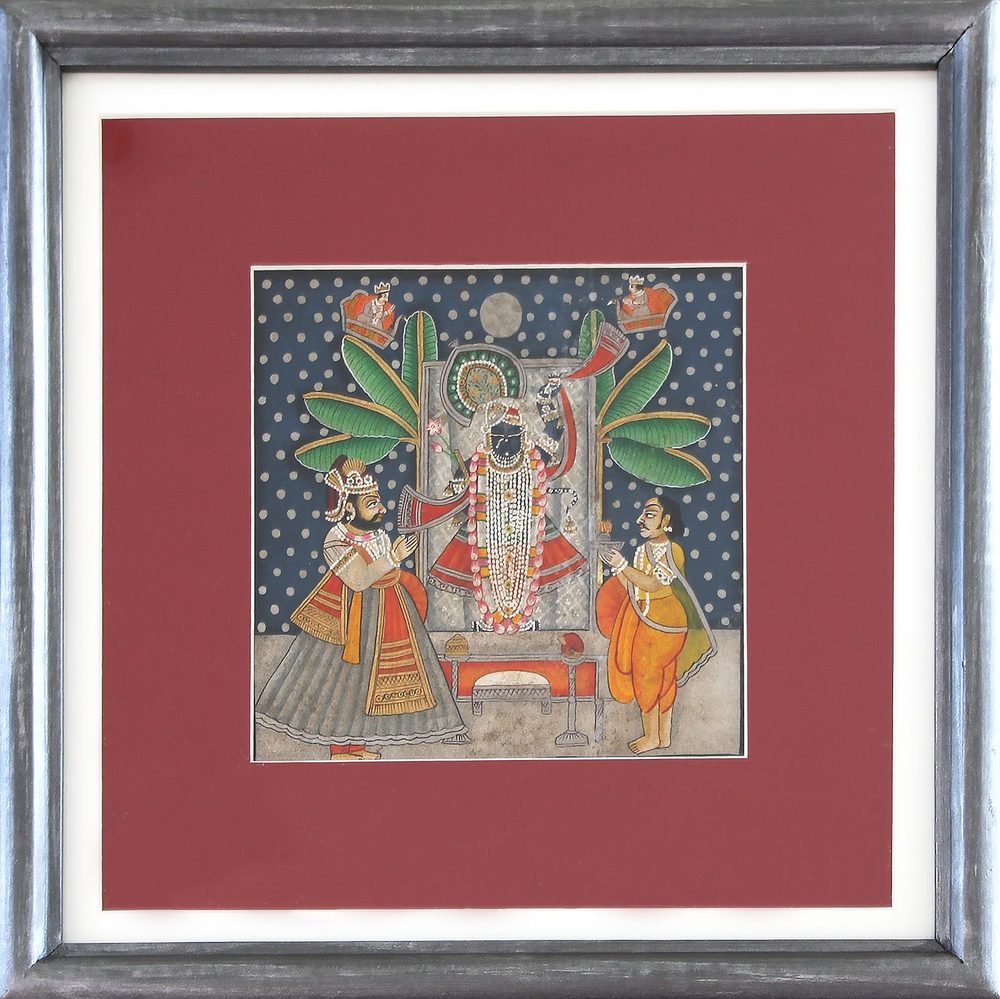
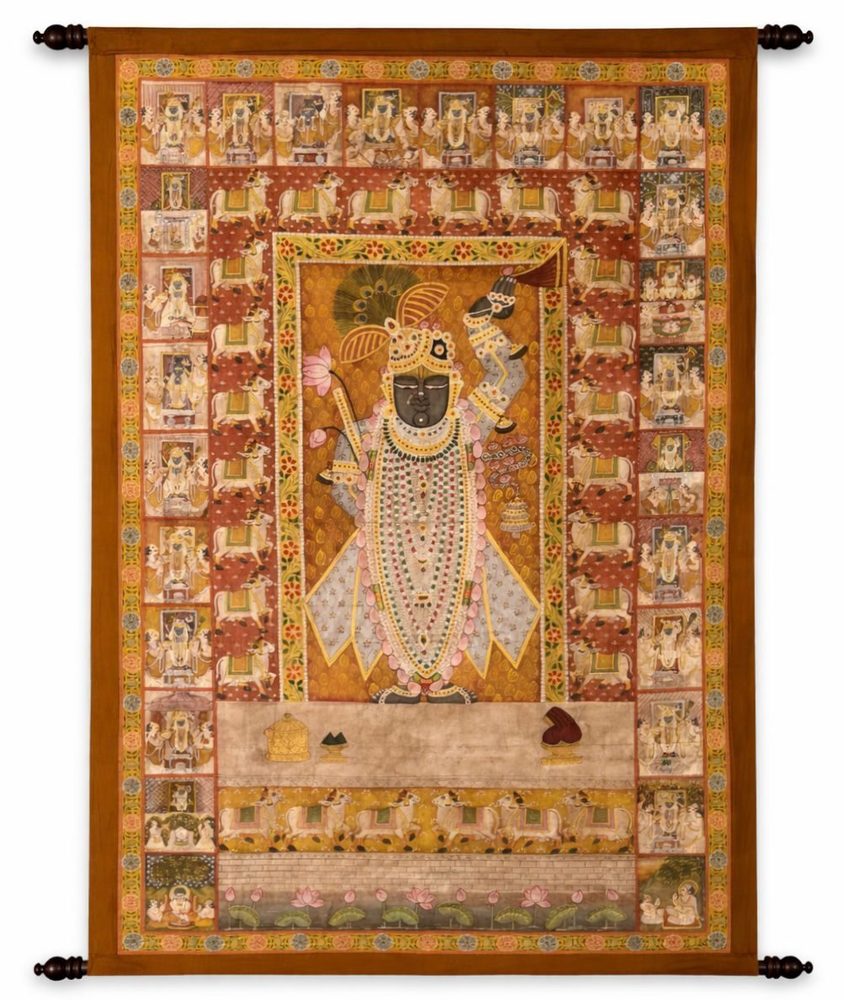
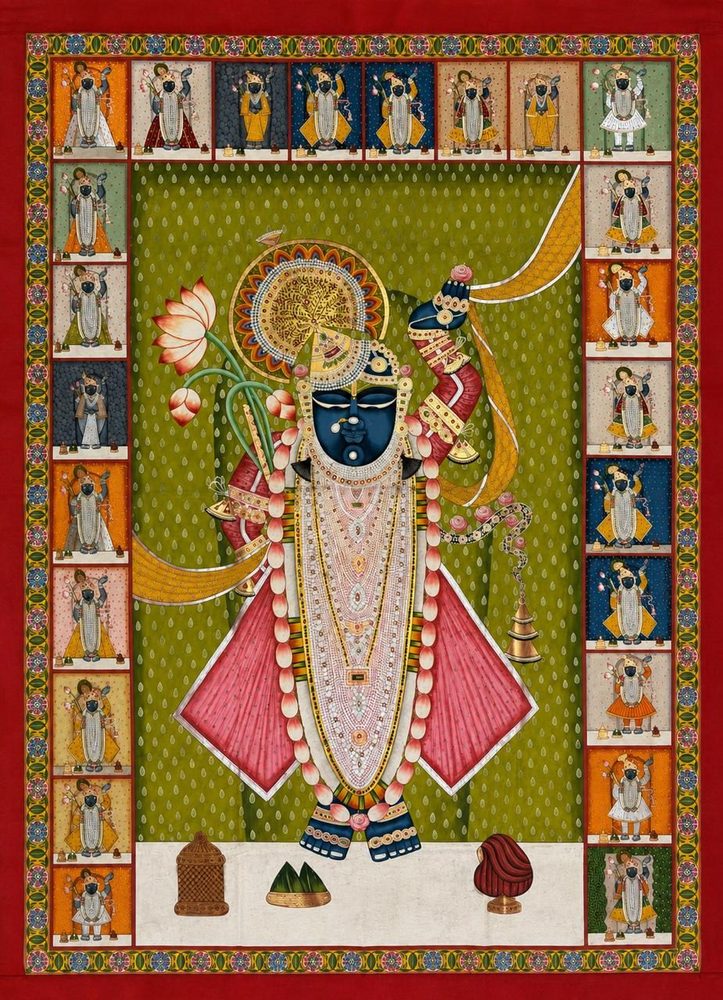
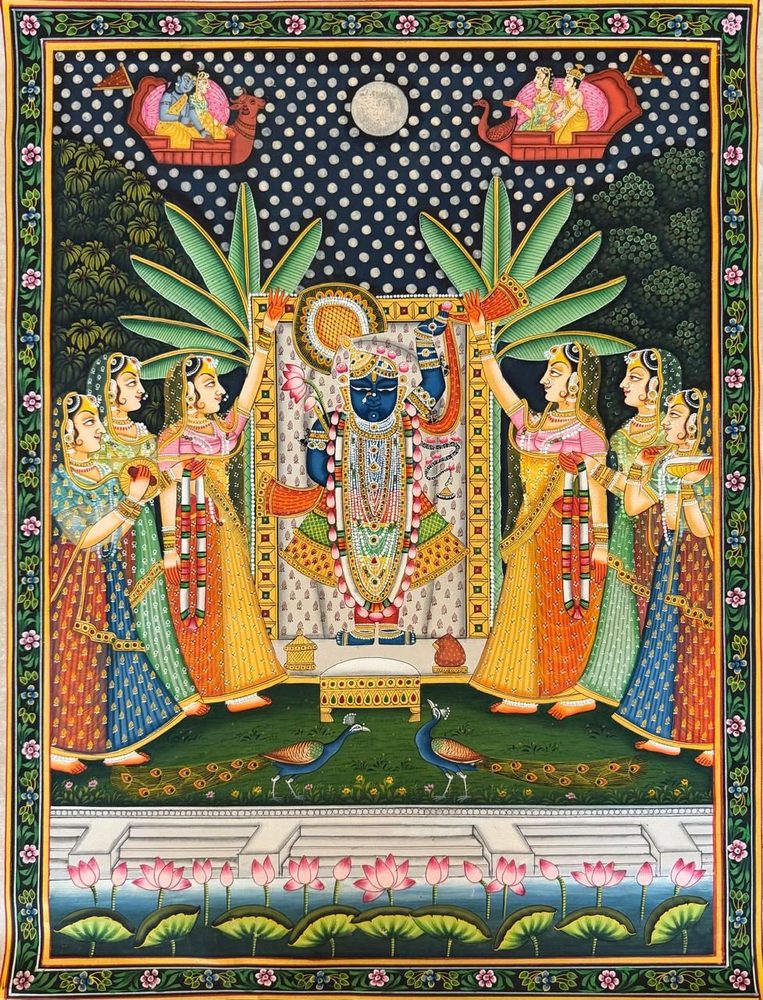
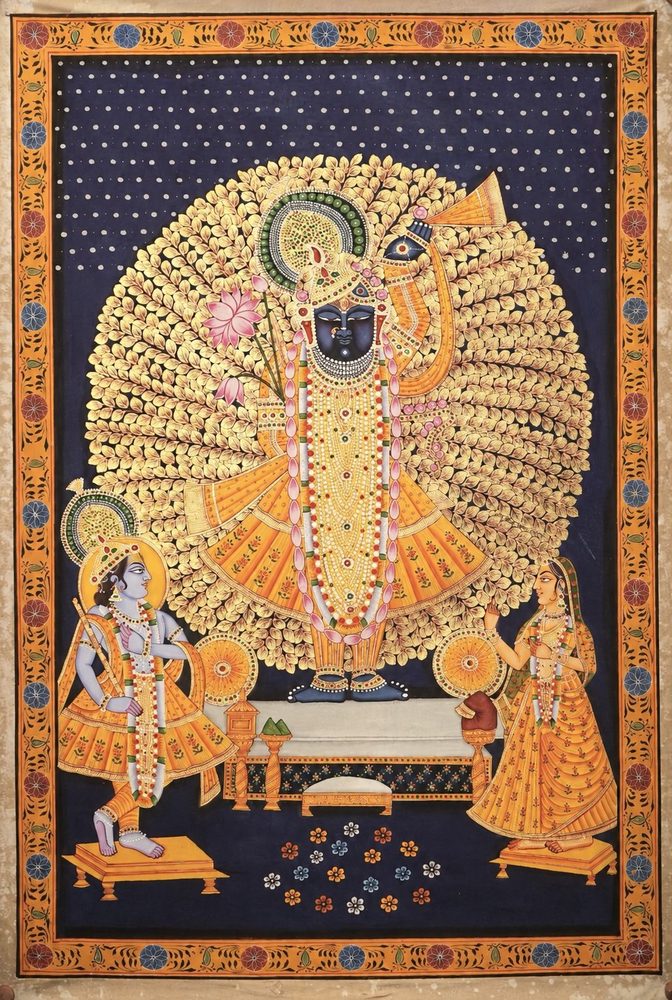
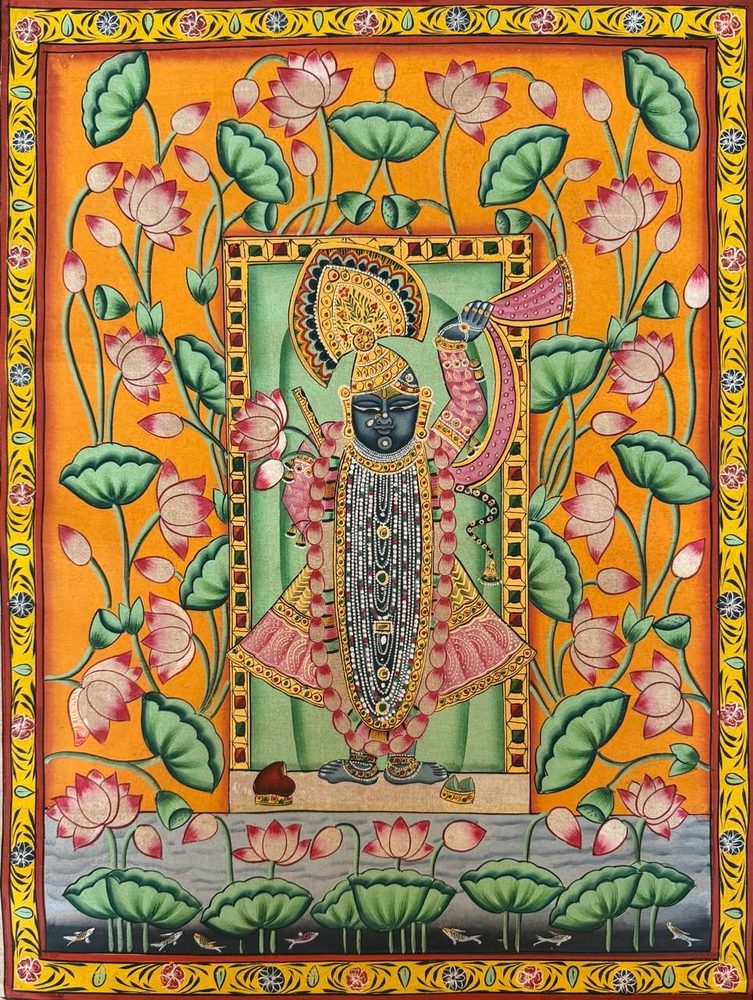
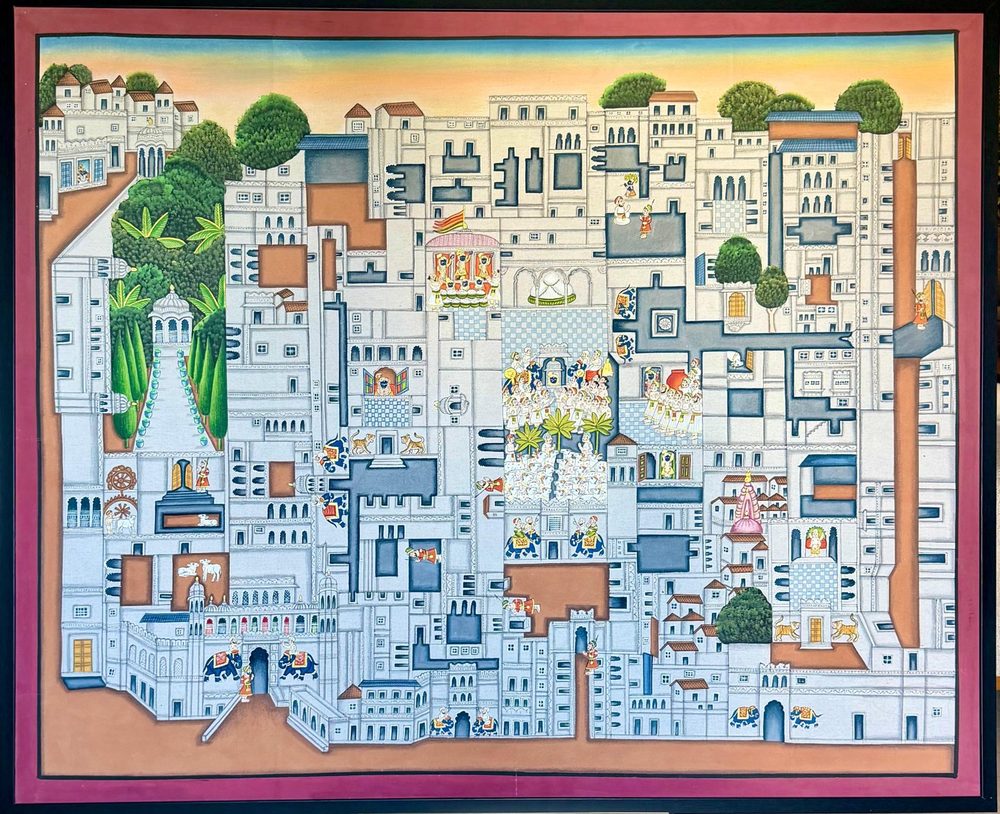
Born in the temple town of Nathdwara, Pichwai is a tradition of devotional painting created on cloth for Shrinathji, the child form of Krishna. Hung behind the deity, it transforms the space around him, with its imagery changing through the seasons, festivals and rituals of the temple calendar. Painted by hand with extraordinary detail and patience, each Pichwai is both an act of devotion and a remarkable work of art.
Region
Nathdwara, Rajasthan
Materials
Mineral & stone colours, gold, on cloth
Signature
Meticulous detail & sacred iconography
Themes
Krishna, festivals, seasons, ritual
Pichwai artwork

History & origins

The name is literal: pichh, behind; wai, hanging. For over four hundred years the painters of Nathdwara have made these temple backdrops — a new scene for each season and festival in Shrinathji’s year.

Pichwai detail

Materials & technique

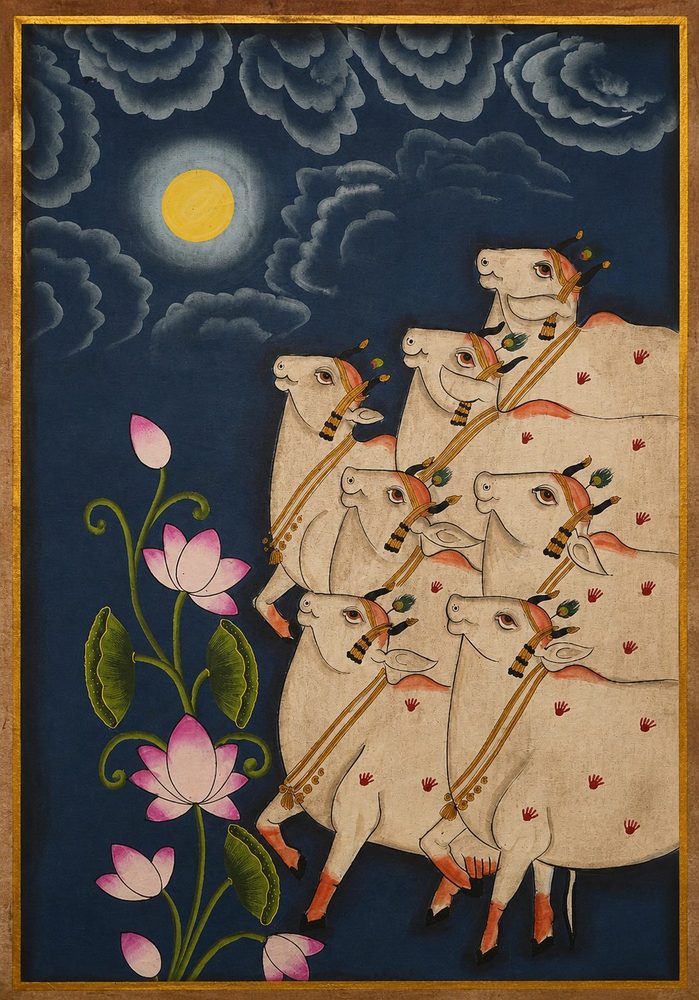
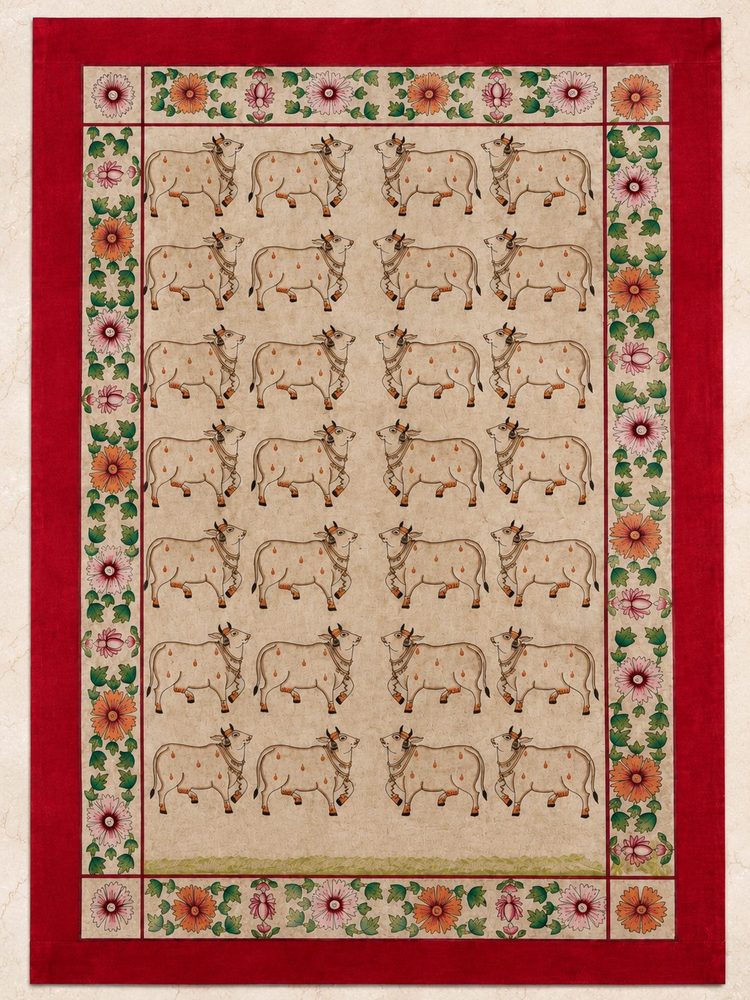
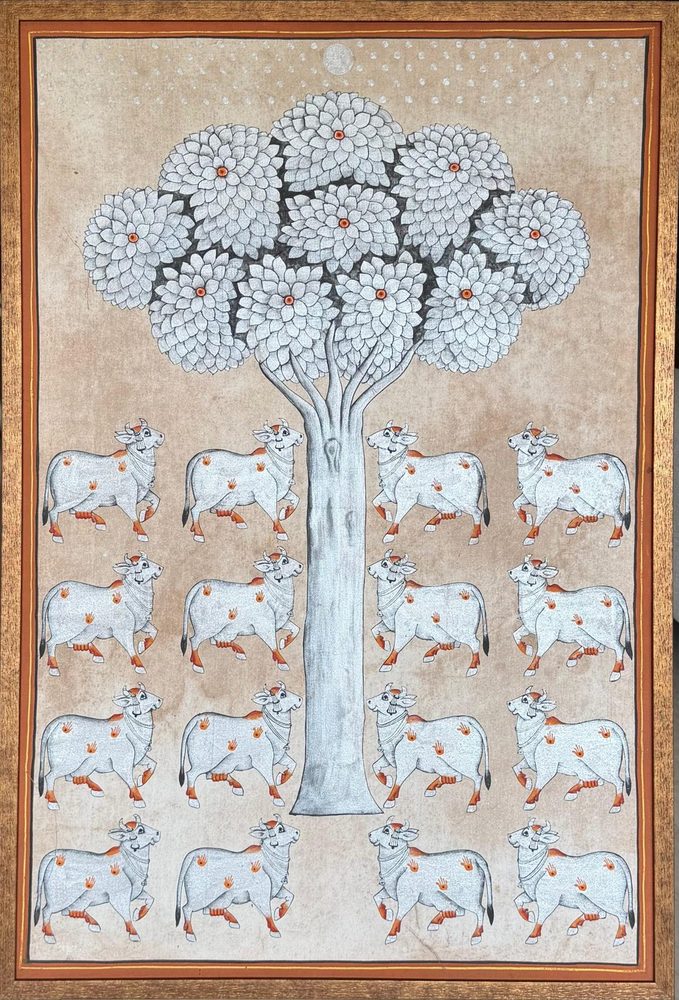
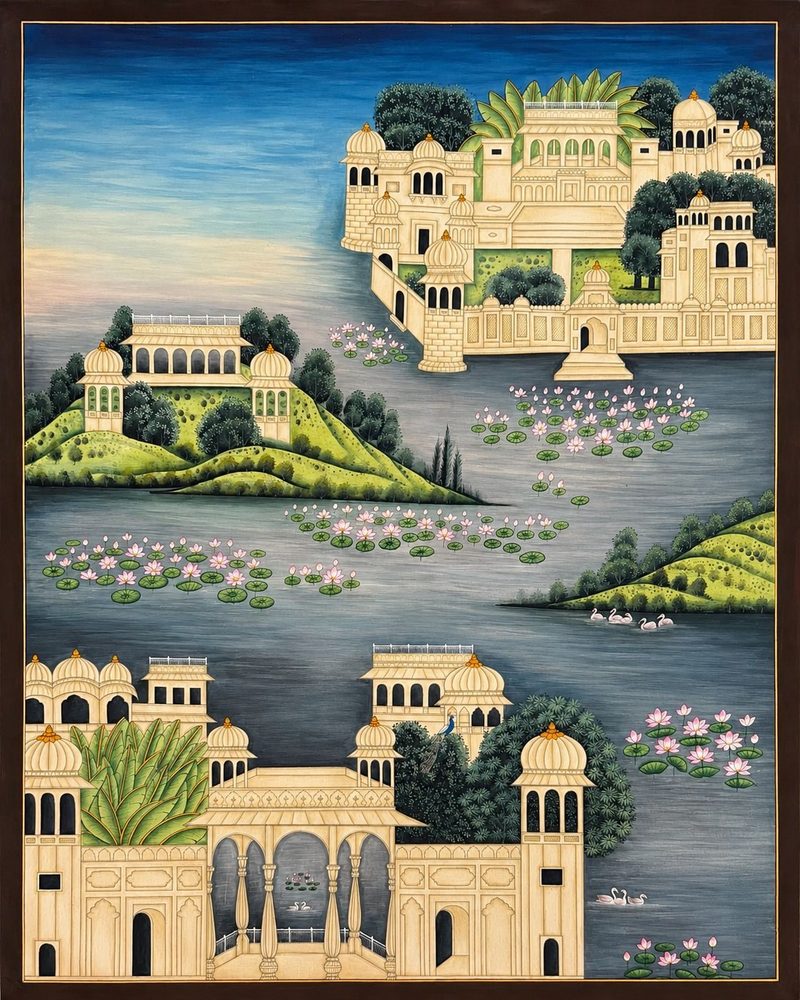
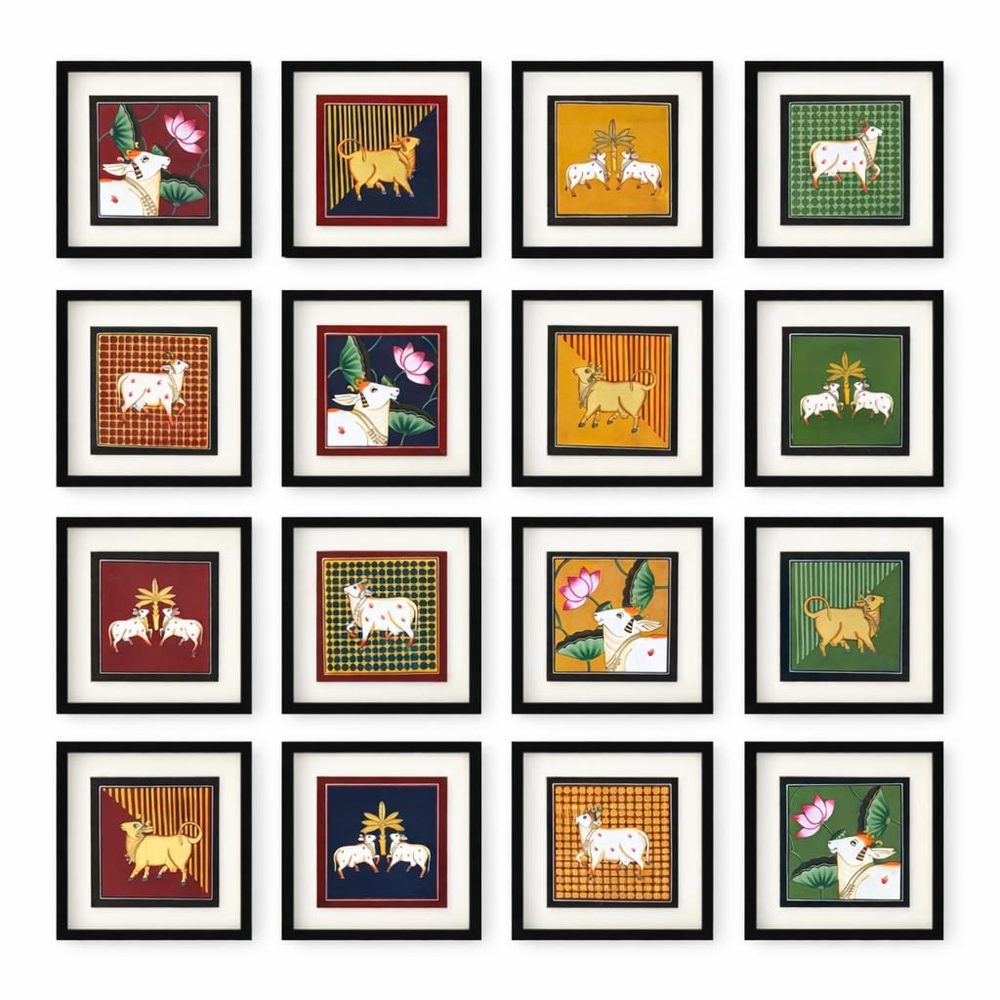
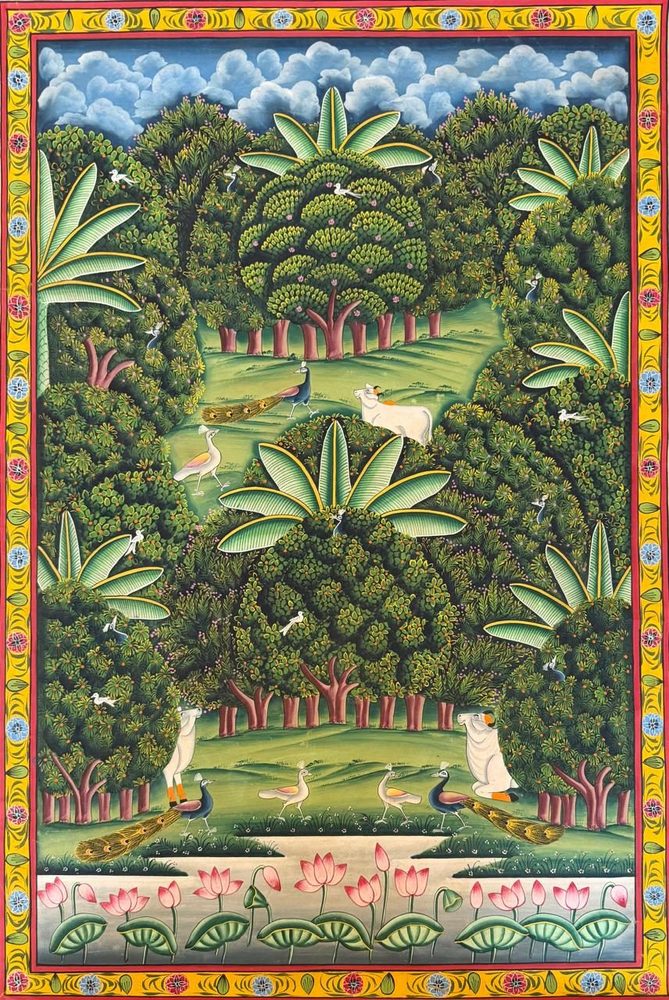
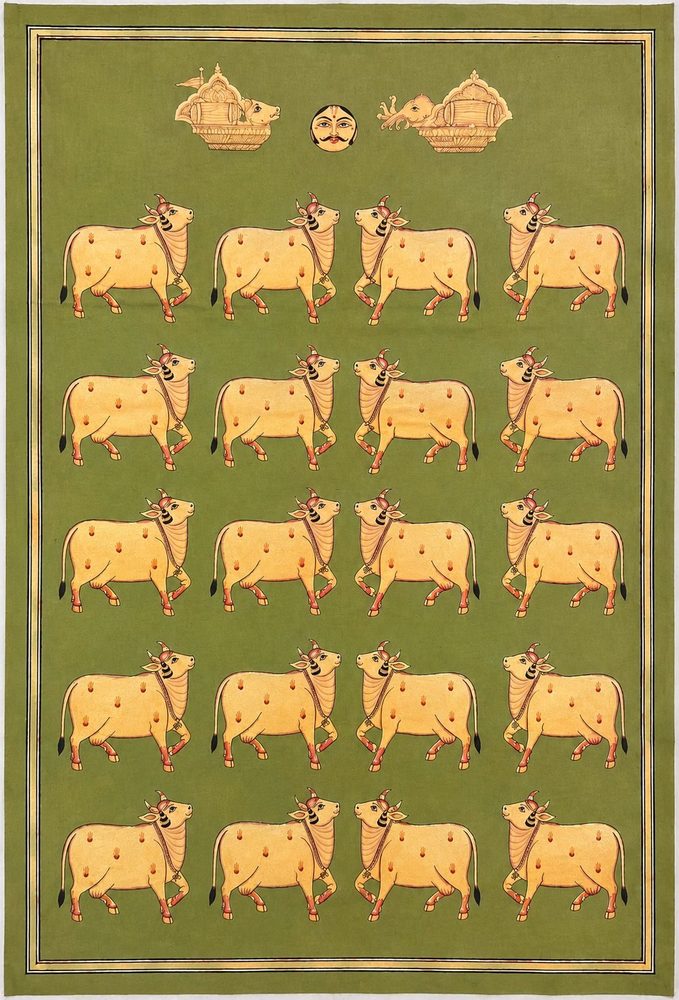
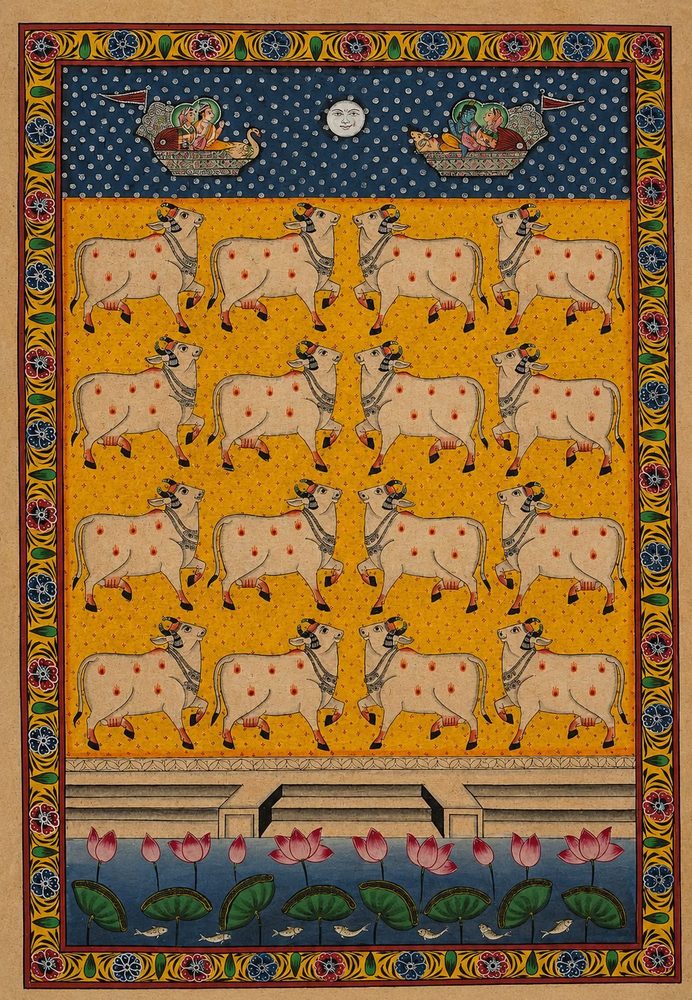
Painted on starched cotton with fine brushes and mineral pigments, traditionally with real gold. Each Pichwai can take weeks to complete, with cows, lotus ponds, gopis and festival scenes rendered in intricate detail.

Cultural significance

More than a painting, a Pichwai is an act of devotion, bringing the divine into view and giving form to the sacred rhythms of the year.

Modern-day relevance

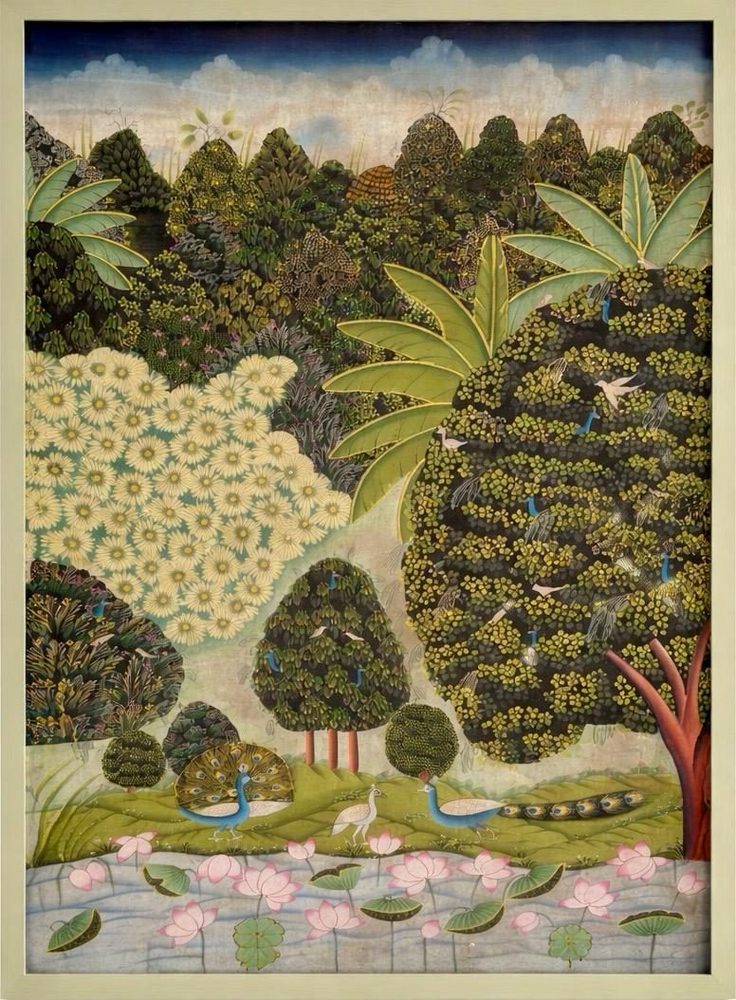
Pichwai has travelled from the temple into homes and galleries. Contemporary artists reinterpret its lotuses, cows and lush greens for modern rooms, while the Nathdwara workshops keep the classical form alive.

Representative Pichwai works

Pichwai paintings currently with us. Tap any work to view it larger and enquire.

Enquire about a work

Bhil All Art Forms Pattachitra