All Artforms

Warli

A distinctive painting tradition of the Warli community of Maharashtra, where simple white forms come together to tell stories of everyday life, nature and community.

Warli painting

An introduction

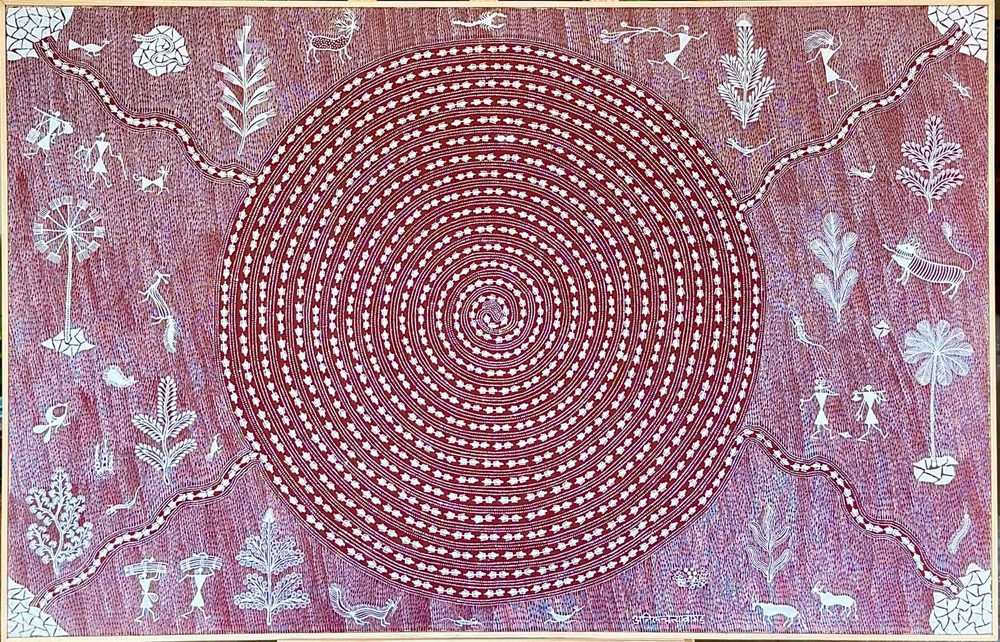
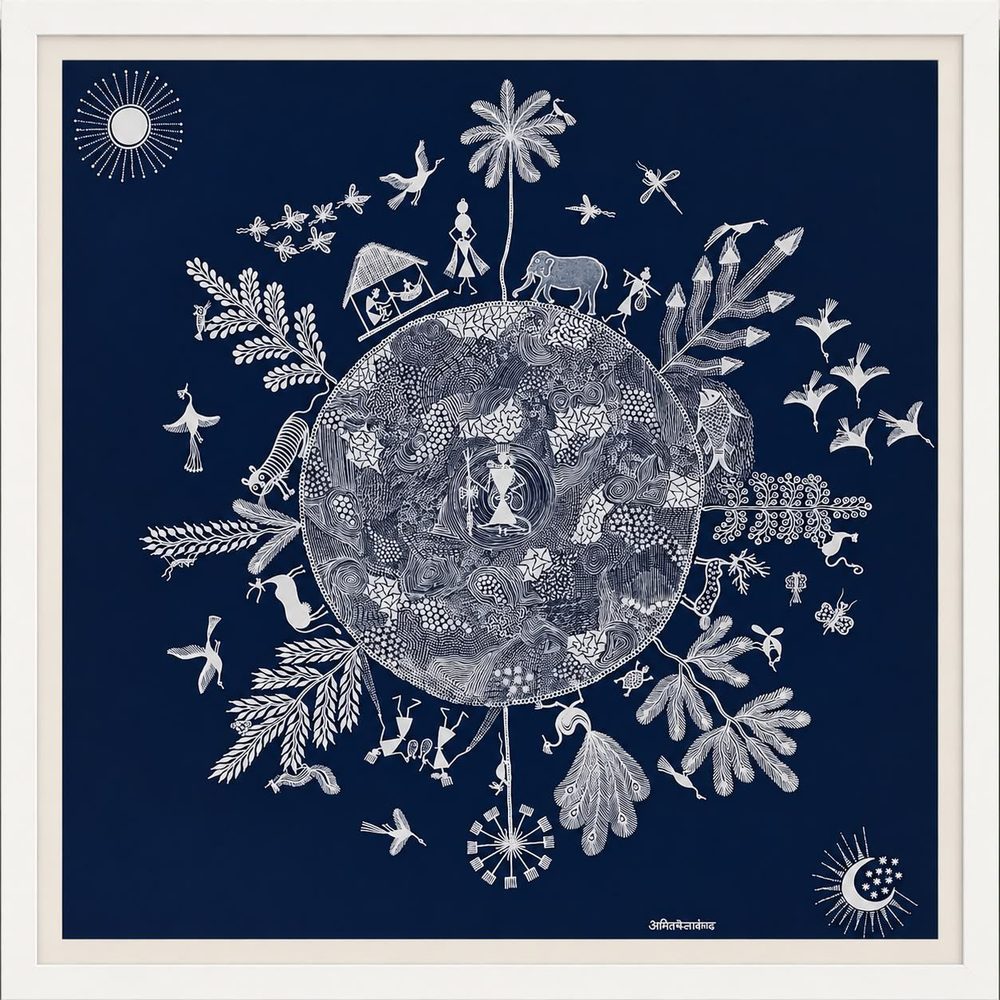
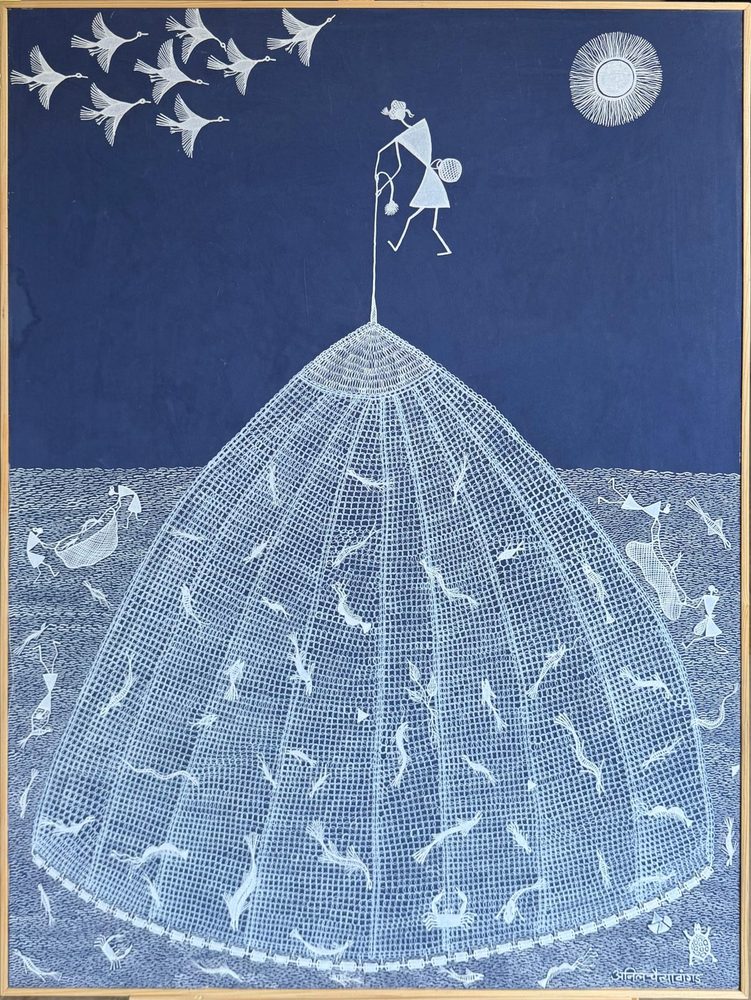
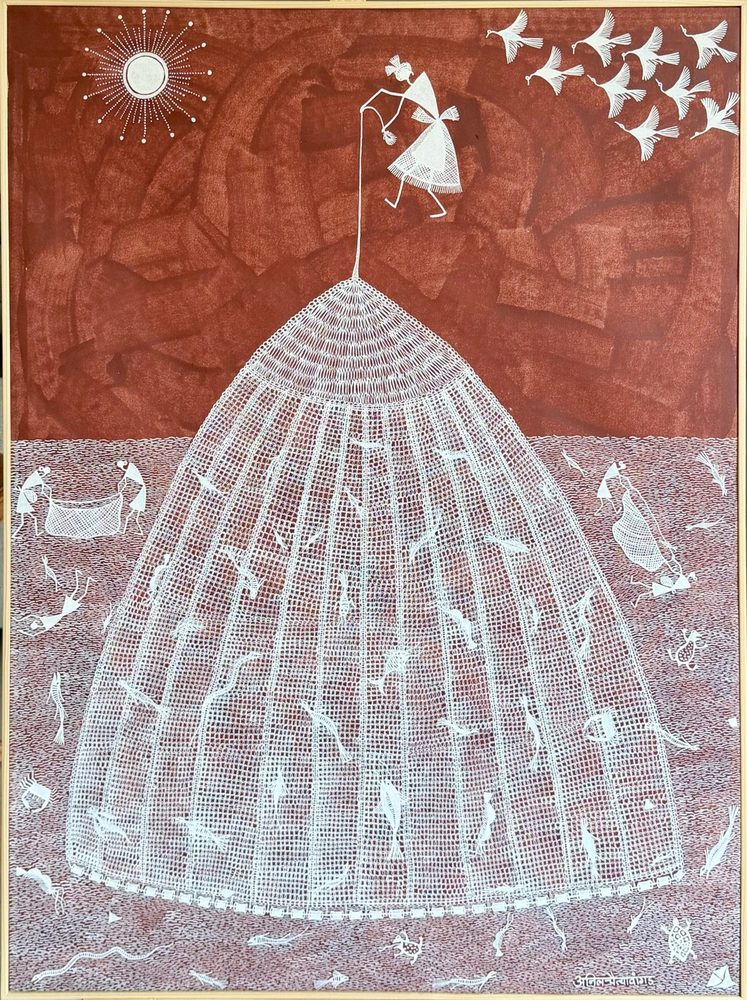
With just a few simple forms and a single colour, Warli painting tells stories of harvests, weddings, music, dance and the natural world. Figures gather, move and dance across the surface, creating rhythmic compositions that have become one of the most recognisable visual languages of Indian folk art.
Region
Maharashtra (Sahyadri)
Materials
White pigment on earthen / ochre ground
Signature
Circle, triangle & line
Themes
Ritual, harvest, dance, nature
Warli artwork

History & origins

The Warli are an Adivasi community of the Sahyadri hills north of Mumbai, and their painting is ancient — ritual murals made by married women on the mud walls of the home, blessing weddings and harvests, centred on the Chauk, a sacred square honouring the mother goddess Palaghata.

Warli detail

Materials & technique

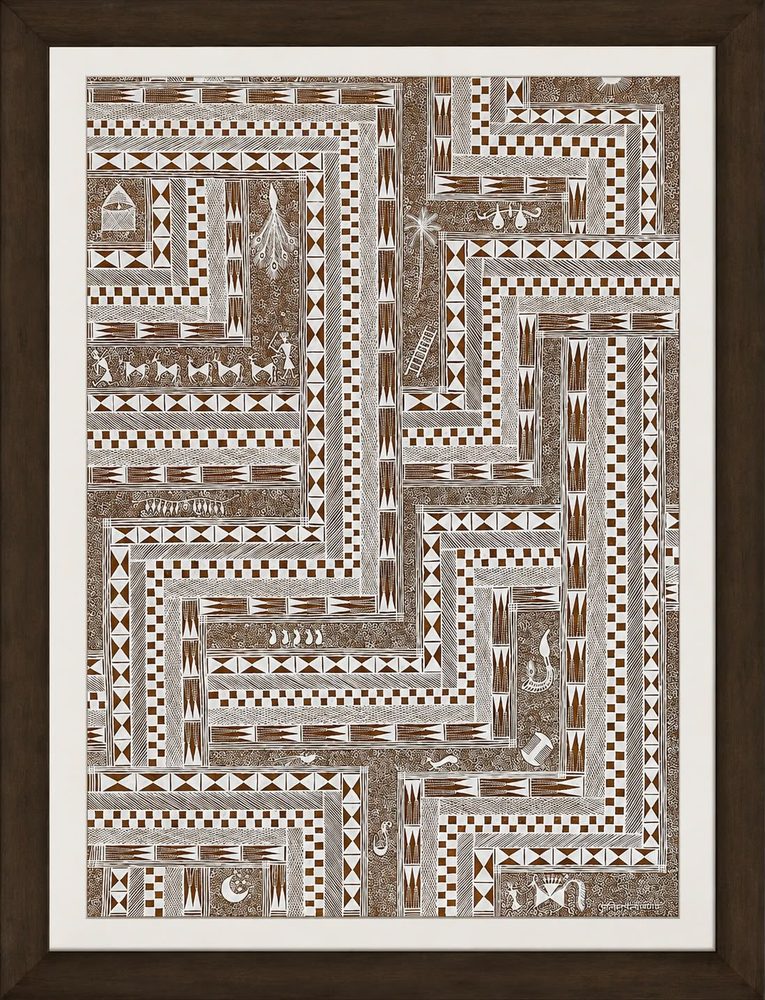
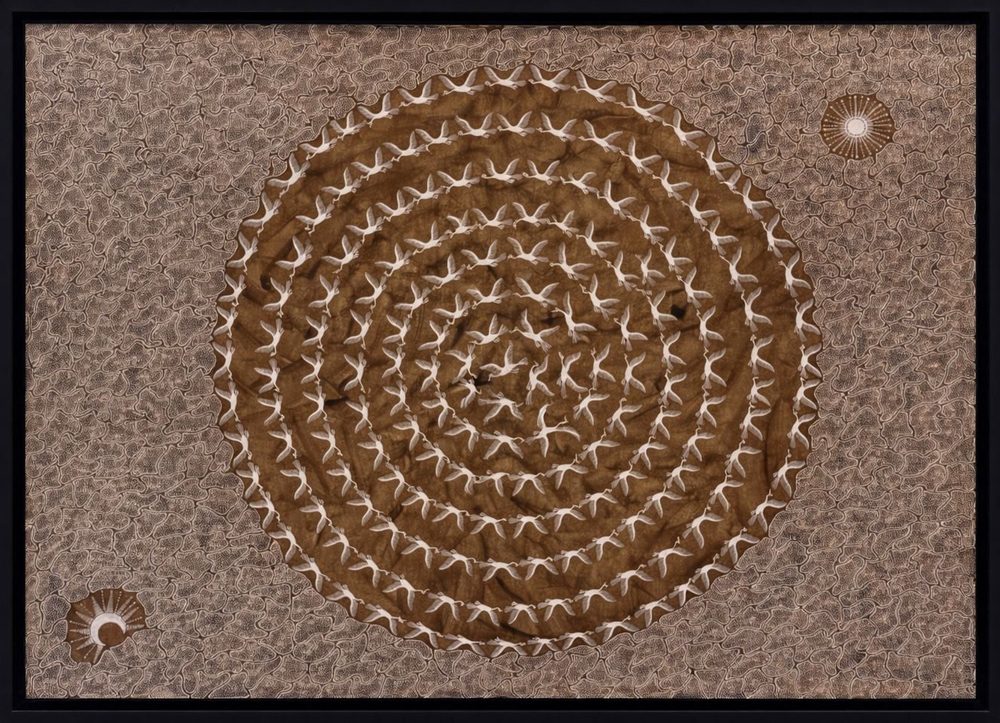
White rice paste on an earth-red or ochre ground. Everything is built from three shapes — the circle for sun and moon, the triangle for mountains and trees, and the line. A human figure is two triangles joined at the point; the famous Tarpa dance spirals outward from the centre.

Cultural significance

Warli painting records life itself — sowing, harvesting, dancing, marrying — a community living in step with nature.

Modern-day relevance

Artists such as the late Jivya Soma Mashe took Warli from wall to paper and out into the world; its clean geometry now reads as strikingly contemporary, echoed in design far beyond the villages where it began.

Representative Warli works

Warli paintings currently with us. Tap any work to view it larger and enquire.

Enquire about a work

Pattachitra All Art Forms Gond